Introduction
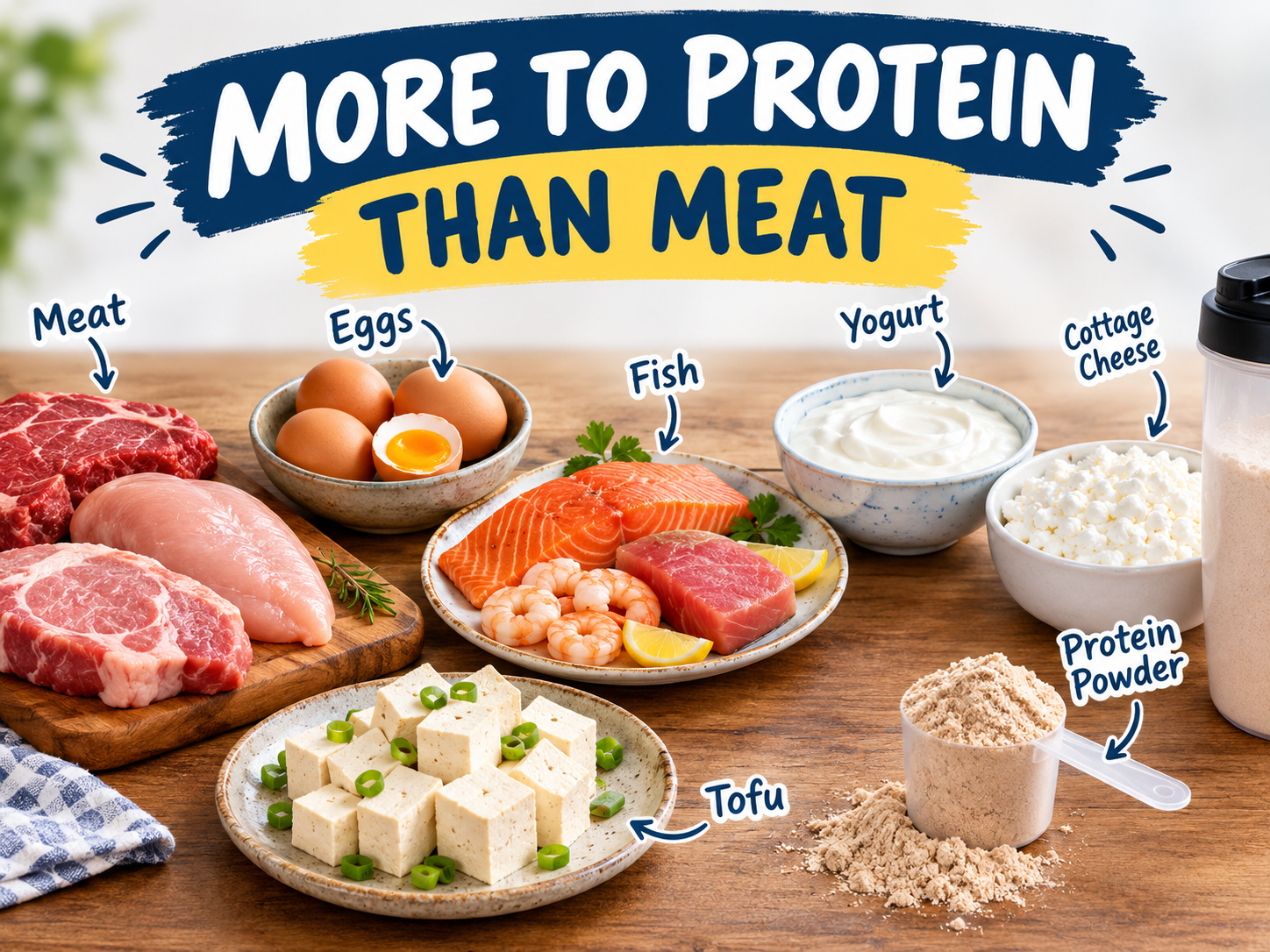
There's more to protein than meat. When many people think of having a protein on their plate, or trying to hit their protein goals, meat is what comes to mind.
But there are so many other ways to get protein besides meat. Yes, chicken, beef, turkey, and pork are all great nutritious protein sources. But what else is there?
Table of Contents
- Introduction
- Benefits of Protein
- Eggs
- Fish & Seafood
- Greek Yogurt
- Cottage Cheese
- Protein Powder
- Tofu
- Not a Protein Source
- Conclusion
Benefits of Protien
Firstly though, what are some benefits of protein? Protein is made up of amino acids, including nine essential amino acids that your body cannot produce on its own and therefore needs to get from your diet. It's also generally more satiating than carbohydrates or fat. It helps muscle maintenance and growth. Protein has many other benefits, so it should be one of the first things you think about when building your plate.
Technically, almost every food contains at least some protein. But that's not particularly useful. When I'm talking about a “protein source,” I mean a food where a significant portion of its calories come from protein.
I consider something high protein if it has at least 10 g of protein per 100 calories. That means 20 g of protein should come with no more than 200 calories, 30 g with no more than 300 calories, and so on.
This is why a food like peanut butter, despite containing 7 g of protein per serving, isn't what I would consider a protein source. Most of its calories come from fat. Meanwhile, Greek yogurt can provide 17 g of protein for only 100 calories, making it a protein-first food. The same goes for cottage cheese, tofu, and protein powder. These are all protein-first foods, where the majority of their calories come from protein.
Eggs
Eggs aren't as high in protein as you've been made to believe. 1 egg contains 6 g of protein and 5 g of fat in 70 calories. This makes it fall just shy of my high protein criteria, as the majority of calories from eggs come from the yolk.
In comparison, egg whites are basically entirely protein, having 10 g of protein in 50 calories (6 tbsp, 90 g). Egg whites are high protein, but whole eggs are not.
On the flip side though, all egg whites have is protein, while egg yolks pack essential vitamins and minerals, such as vitamin B12 and choline. Egg whites are high in protein, while whole eggs are a more balanced source of protein and fat.
2 eggs are not enough protein for breakfast, thats only 12 g. Instead, have your same 2 whole eggs for the essential minerals mixed with a 6 tbsp (90 g) of liquid egg whites. This takes the total calories up from 140 to 190, but increases the protein from 12 g to 22 g.
Fish & Seafood
Another obvious one is fish and seafood. It's just meat of the sea, and most people think of these as protein sources just like land meat. Fish like salmon, tuna, and sardines, or seafood like clams, mussels, and shrimp are popular examples.
Greek Yogurt
Alright, it's time for the king of protein. Greek yogurt. Plain Greek yogurt is cheap, versatile, high protein, low calorie, and simple.
It's super cheap, where I can get a 32 oz (908 g) tub for about $3.50. For the standard 3/4 cup (170 g) serving of plain nonfat Greek yogurt, you get 17 g of protein in just 100 calories. That's just 4¢ per gram of protein.
Greek yogurt has a varying fat/calorie content depending on whether you get whole milk or nonfat. Nonfat yogurt has about 17 g of protein and 100 calories per 170 g. On the other hand, whole milk yogurt has about 16 g of protein and 160 calories for the same 170 g serving. Whole milk is higher in fat and calories, but is richer in flavor.
Where yogurt really shines is both its ease and versatility though. Unlike meat and fish, yogurt doesn't require any prep or cooking. Just open the tub and eat it.
Classic uses of Greek yogurt are for a mildly sweet breakfast, snack, or dessert. You can mix yogurt with tons of different stuff.
You can mix yogurt with tons of different stuff: nuts or nut butter, berries or diced fruit, cocoa powder, cinnamon, oatmeal, chia or flax seeds, psyllium husk, honey or maple syrup. I could go on for a while...
You can even bake with yogurt to replace butter or oil, keeping the calories and fat down, while adding protein and still keeping the baked good moist. Or use yogurt as a cream cheese substitute in a cream cheese or frosting.
But Greek yogurt has savory uses too. You can swap out mayo and sour cream for Greek yogurt to slash the calories and fat while boosting the protein. I like to use yogurt to make lighter versions of dips and dressings, like Lighter Mayo Substitute and Low Fat French Onion Dip.
I can't list every possible way to use yogurt, so instead I'll just link a bunch of recipes that use yogurt. From standard yogurt bowls to baked treats to simple sauces, yogurt has tons of uses.
- Breakfast
- 1,000 Calorie Bulking Breakfast
- Acai Yogurt Bowl
- Apple Pie Yogurt Bowl
- Banana Nut Bread Protein Overnight Oats
- Berry Delicious Protein Overnight Oats
- Bigger Boi Oatmeal
- Brain Boosting Yogurt
- Chocolate Almond Yogurt Bowl
- Fatty Yogurt
- Hi Mom, Here's Your Oatmeal
- Lactose Free, Sugar Free, Vanilla Greek Yogurt
- No-vernight No-ats
- Omega-3 Yogurt Bowl
- Overnight Oats with no Protein Powder
- PB&J Protein PopTart
- Peanut Butter & Jelly Muffins
- Peanut Butter and Jelly Yogurt Bowl
- Peanut Butter Banana Yogurt Bowl
- Peanut Butter Punch Protein Overnight Oats
- Protein Cookie Dough Bowl
- Pumpkin Pie Protein Overnight Oats
- Reese's Protein Overnight Oats
- Strawberry Chia Protein Oatmeal
- Sweet Potato Yogurt with Sliced Strawberries
- Whole Wheat Breakfast Crepes
- Yogurt - For Those Who Hate It
- Protein Snacks
- Chocolate Protein Donuts
- Chocolate Protein Pudding
- Discard Whey Protein Bars
- Layered Protein Carrot Cake
- No Nut Protein Banana Bread
- Perfect Protein Packed Pumpkin Pie
- Protein Brownie Bars
- Protein Cinnamon Rolls
- Protein Frosting Recipe
- Protein Oatmeal Cream Pies
- Desserts
- Air Fryer Coconut Blondies
- Aquafaba Chocolate Ice Cream
- Banana Nice Cream
- Blueberry Yogurt Bark
- Chocolate Yogurt Kerfuffles
- Coconut Banana Rum Cake
- Double Chocolate Banana Bread
- Frosted Pumpkin Cake
- No Bake Cheesecake Bars
- No Bake Homemade Tiramisù
- Sugar Free Frozen Yogurt
- The Easiest (Healthy) Cheesecake
- Savory Meals
- Greek Yogurt Whole Wheat Gnocchi
- High Protein Flatbread Wrap
- No-Mayo Tuna Salad
- Put the Milk Back Together Beans
- White Chicken Chili with Greek Yogurt
- Sweet Sauces
- Protein Frosting Recipe
- Protein Nutella Copycat
- Savory Sauces
- Cheesy Bean Dip
- Greek Yogurt Caesar Dressing
- Greek Yogurt Hollandaise Sauce
- Homemade Tzatziki Sauce
- Lightened Up Spinach Artichoke Dip
- Lighter Mayo Substitute
- Low Fat French Onion Dip
- High Protein Buffalo Chicken Dip
While you can feel free to get any fat content you can work into your macros, ALWAYS make sure to get plain. Vanilla ≠ plain. Many flavored yogurts, such as vanilla or strawberry, contain a substantial amount of added sugar. Unless you're specifically looking for a sweetened yogurt, plain is the safer bet.
Cottage Cheese
If Greek yogurt is the king of protein, then does that make cottage cheese the queen? Cottage cheese is very similar to Greek yogurt. They have similar protein content, price, and versatility.
Cottage cheese and Greek yogurt can be easily substituted 1:1 in most recipes generally. Just note that cottage cheese is saltier, and that blended cottage cheese is much smoother than its chunky and curdy form.
Cottage cheese works great in all the same sweet ways as yogurt, like with nuts, fruit, and cocoa. Same with the savory uses, like making lighter dips and sauces.
Similar to with Greek yogurt, I can't list every way to use cottage cheese here. So I'll link you to all my cottage cheese recipes to give the queen a shot.
- Breakfast
- Cottage Cheese Oat Rolls
- Half Dozen Whole Wheat Bagels
- Stovetop Apple Oatmeal
- Protein Snacks
- Cheesy Protein Cornbread
- Cottage Cheese Ice Cream
- Crustless Sweet Potato Pie
- Layered Protein Carrot Cake
- Protein Apple Bread
- Protein Slop with Sweet Potatoes
- Sugar Free Peanut Butter Cheesecake
- Desserts
- Chocolate Covered Truffles
- Flourless Keto Brownies (2 g Net Carbs)
- Frosted Pumpkin Cake
- Healthier Cut Out Cookies
- The 1/4 Pound Cake
- Savory Meals
- Almond Flour Empanada & Pierogi Dough
- Cauliflower Mash Shepard's Pie
- Chicken Alfredo with Potatoes and Broccoli
- Cottage Cheese Flatbread
- Hassle Free Eggplant Parm
- High Protein Cottage Cheese Pizza Bowls
- Hot Honey Beef Bowls
- Leaner Eggplant Rollatini
- Making Liver Taste Good
- Mashed Chickpea Sandwich
- No Butter Chicken with Quinoa
- Protein Mac & Cheese
- Vegetarian Protein Lasagna
- Sweet Sauces
- Cottage Cheese Peanut Butter
- Date Sweetened Frosting
- High Protein Sugar Free Cannoli Dip
- Savory Sauces
- Creamy Buffalo Chicken and Peppers
- Creamy Pesto Dip
- High Protein Buffalo Chicken Dip
- Lemony Taco Inspired Hummus
- Lightened Up Spinach Artichoke Dip
- No-Honey Mustard Dressing
- Protein Cottage Cheese Queso Dip
- Whipped Feta Spread
Protein Powder
Obviously, protein powder is a source of protein. It's a great supplement to add more protein, but that's really all it is.
Protein powder is something great to keep on hand and have semi-regularly. Of course there's the classic protein shake, but protein powder in yogurt or oatmeal my personal go-to. Or make protein-packed desserts. Below are some recipes with protein powder.
- Breakfast
- 1,000 Calorie Bulking Breakfast
- Electrolyte Protein Breakfast Bowls
- Fluffy Protein Cinnamon Rolls
- Hi Mom, Here's Your Oatmeal
- Overnight Oats with no Protein Powder
- Peanut Butter and Jelly Yogurt Bowl
- Protein Breakfast Banana Bread for One
- Protein Cookie Dough Bowl
- Reese's Protein Overnight Oats
- Simple Protein Shake
- Stovetop Apple Oatmeal
- Sweet Potato Yogurt with Sliced Strawberries
- Very Vic
- Very Vic No-vernight No-ats
- Protein Desserts
- 100 Calorie Protein Bars
- Avocado Protein Chocolate Mousse
- Baked Protein Bars
- Caramel Protein Candy Bars
- Chickpea Chows
- Chocolate Protein Donuts
- Chocolate Protein Pudding
- Copycat Barebell Protein Bars
- Copycat Chocolate RX Bars
- Copycat Quest Protein Bars
- Copycat Quest Protein Cookie
- Cottage Cheese Ice Cream
- Crustless Sweet Potato Pie
- Discard Whey Protein Bars
- Edible Cookie Dough with Protein
- Edible Protein Brownie Batter
- Edible Protein Cookie Dough
- High Fiber Protein Bar
- High Protein Brownie Cheesecake Bars
- High Protein Hot Chocolate
- Layered Protein Carrot Cake
- Microwave Protein Mug Cake
- Mint Chocolate Protein Bar
- Nice Cream Sandwiches
- No Bake Protein Brownies
- No Bake Vegan Protein Bars
- No Bake White Chocolate Protein Brownies
- No Nut Protein Banana Bread
- Peanut Butter Chocolate Sludge Brick
- Perfect Protein Packed Pumpkin Pie
- Protein Apple Bread
- Protein Banana Nut Bread
- Protein Brownie Bars
- Protein Chocolate Bar
- Protein Oatmeal Cream Pies
- Protein Pumpkin Loaf
- Vegan Protein Cookies
- Savory
- Cheesy Protein Cornbread
- Cloud Bread Loaf
- Coconut Bread
- High Protein Veggie Ground
- Protein Black Bean Burgers
- Spreads
- Pea Butter
- Protein Frosting Recipe
- Protein Nutella Copycat
There's different types of protein powder. The main one is whey protein. Whey makes up about 20% of the protein from milk, where the other 80% is casein protein.
When the casein proteins curdle to make cheese, they leave behind liquid whey. This liquid is dehydrated and refined to just leave protein, and whey protein powder is made.
Whey is the most popular protein option, and it originally became popular partly because it was a byproduct of cheesemaking. Whey doesn't thicken mixtures very much, making it good for protein shakes because it dissolves relatively easily. Think about trying to mix sugar into water, that's what whey is like.
On the other hand, you have casein. If whey acts similarly to sugar, then casein is casein is more like flour. When mixed with liquid, it absorbs and holds onto more water, creating a thicker, clumpier mixture. This makes it better for baking as a flour replacement, but bad for making a protein shake.
But whey and casein are dairy based protein powders. What is there for vegans? Pea protein. Pea protein behaves more like casein than whey in recipes. It tends to absorb liquid and thicken mixtures, though generally not as dramatically as casein.
Theres other types of protein powders besides whey, casein, and pea. Those are probably the three main types, and they're the only ones I've personally used.
A protein powder I consider good should have roughly 24 g of protein in a 30 g scoop, around 120 calories, no added sugar, and minimal carbs and fat.
The main problem with many commercial vegan protein powders is that they're surprisingly low in protein density. They may have 30 g of protein per serving, but if that serving weighs 50 g, then only 60% of the powder is protein. It's a protein powder, not a carb or fat powder.
Always compare the protein content to the serving size. Ideally, a protein powder should be about 80% protein. For example, if the serving size is 30 g, then you want to aim for around 30 * 0.8 = 24 g of protein per serving.
Below are some protein powders that I found on Amazon, with their protein percentages. Anything that's 80% or higher is bolded below:
- Brown Rice
- Judsee's Brown Rice: 21 g protein ÷ 25 g serving = 84.0% protein
- Naked Brown Rice: 25 g protein ÷ 30 g serving = 83.3% protein
- NOW Sports Brown Rice: 4 g protein ÷ 5 g serving = 80.0% protein
- NutriBiotic Brown Rice: 12 g protein ÷ 15 g serving = 80.0% protein
- Nutricost Brown Rice: 20 g protein ÷ 24 g serving = 83.3% protein
- Terrasoul Brown Rice: 8 g protein ÷ 10 g serving = 80.0% protein
- Sun Warrior Brown Rice: 18 g protein ÷ 25 g serving = 72.0% protein
- Casein
- Bulk Supplements Casein: 25 g protein ÷ 30 g serving = 83.3% protein
- Elite Casein: 25 g protein ÷ 34 g serving = 73.5% protein
- Kaged Casein: 25 g protein ÷ 31 g serving = 80.6% protein
- Naked Casein: 26 g protein ÷ 30 g serving = 86.7% protein
- Nutricost Casein: 25 g protein ÷ 30 g serving = 83.3% protein
- Optimum Casein: 24 g protein ÷ 34 g serving = 70.6% protein
- Rule 1 Casein: 25 g protein ÷ 35 g serving = 71.4% protein
- Pea
- Deal Supplement Pea: 27 g protein ÷ 33 g serving = 81.8% protein
- Ghost Vegan: 25 g protein ÷ 40 g serving = 62.5% protein
- Naked Pea: 27 g protein ÷ 30 g serving = 90.0% protein
- Nutricost Pea: 20 g protein ÷ 29 g serving = 69.0% protein
- Optimum Vegan: 24 g protein ÷ 40 g serving = 60.0% protein
- Orgain Vegan Protein: 21 g protein ÷ 46 g serving = 45.7% protein
- Owyn Vegan: 30 g protein ÷ 50 g serving = 60.0% protein
- Truvani Plant Based: 20 g protein ÷ 29 g serving = 69.0% protein
- Vega Vegan: 25 g protein ÷ 46 g serving = 54.3% protein
- Peanut
- Micro Ingredients Powdered Peanut Butter: 10 g protein ÷ 17 g serving = 58.8% protein
- PB2 No Added Sugar: 6 g protein ÷ 13 g serving = 46.2% protein
- PB2 Original: 6 g protein ÷ 13 g serving = 46.2% protein
- PBFit Classic: 8 g protein ÷ 16 g serving = 50.0% protein
- PBFit No Added Sugar: 9 g protein ÷ 16 g serving = 56.2% protein
- Soy
- Bulk Supplements Soy: 25 g protein ÷ 30 g serving = 83.3% protein
- Earthborn Soy: 27 g protein ÷ 30 g serving = 90.0% protein
- Minimalist Soy: 27 g protein ÷ 30 g serving = 90.0% protein
- NOW Sports Soy: 20 g protein ÷ 24 g serving = 83.3% protein
- Nutricost Soy: 10 g protein ÷ 11 g serving = 90.9% protein
- Whey
- Animal Whey: 25 g protein ÷ 32 g serving = 78.1% protein
- Ascent Whey: 25 g protein ÷ 31 g serving = 80.6% protein
- Body Fortress Whey: 30 g protein ÷ 44 g serving = 68.2% protein
- BSN SYNTHA-6 Whey: 22 g protein ÷ 47 g serving = 46.8% protein
- Bulk Supplements Whey: 25 g protein ÷ 30 g serving = 83.3% protein
- Dymatize ISO100 Whey: 25 g protein ÷ 30 g serving = 83.3% protein
- FlavCity All in One: 25 g protein ÷ 48 g serving = 52.1% protein
- Levels Whey: 24 g protein ÷ 32 g serving = 75.0% protein
- Muscle Milk Whey: 32 g protein ÷ 70 g serving = 45.7% protein
- Naked Whey: 25 g protein ÷ 30 g serving = 83.3% protein
- Nutricost Whey: 25 g protein ÷ 33 g serving = 75.8% protein
- Optimum Whey: 24 g protein ÷ 32 g serving = 75.0% protein
- Premier Protein Whey: 30 g protein ÷ 39 g serving = 76.9% protein
- Six Star Whey: 30 g protein ÷ 47 g serving = 63.8% protein
Most protein powders come in a few different flavor options, such as chocolate or vanilla, as well as unflavored. I tend to get unflavored, since it provides an easier base to work with, and is free of artificial sweeteners, though that's just personal preference.
But protein powder is little more than a supplement. Whenever possible, you should be eating whole food protein sources, like meat, fish, yogurt, or cottage cheese over protein powder.
These foods are higher in other vitamins and minerals that protein powder may be lacking. Plus, they're minimally processed. As healthy as protein powder can be, it's still definitely an ultra processed food.
And while we're talking about protein powder and ultra processed foods, I can't ignore protein bars and the ever growing protein industry. Oh God, where do I start?
Take a look at the nutrition facts. If you multiply the grams of protein by 10, and the number of calories is less than or equal to that result, then it meets my definition of high protein. What this is saying is that, in order for something to be high protein, it needs to contain at least 10 g of protein per 100 calories.
For example, if a protein bar has 220 calories, then the minimum amount of protein it should have is 22. If it's only 150 calories, then it only needs to have 15 g of protein. Stop looking at the base protein number, and instead look at the protein to calorie ratio.
Not only do many protein bars and protein snacks fail to meet this standard, but they also contain a paragraph of ingredients you've never heard of. A protein bar is definitely healthier than a candy bar in many cases, but that doesn't automatically make it a healthy snack. Some are essentially candy bars with added protein.
Protein bars can be helpful in a pinch, but they shouldn't be a staple of your diet. Your digestion and wallet will thank you when you stop regularly eating those jaw breaking bricks.
Just because something says "protein" on the label doesn't mean it's high in protein, and it doesn't mean it's healthy. Stick to whole food sources as much as possible, and try to steer away from the highly processed stuff.
Tofu
Moving into the vegetarian and vegan realm, the best protein source is easily tofu, as well as other soy-based products like edamame and tempeh.
Tofu is unique among the vegan "protein sources" in that it's actually high in protein. Unlike beans and lentils, which have significantly more calories from carbs than protein, or nuts and seeds, which are fat bombs and not protein sources, tofu is actually a protein first and foremost.
Soybeans are a complete protein, and so are soy-based foods such as tofu, tempeh, and edamame. This means that soy contains adequate amounts of all 9 essential amino acids. All animal-based protein sources (meat, eggs, fish, and dairy) are complete proteins. Many plant-based protein sources are lower in one or more essential amino acids, although eating a varied plant-based diet can easily provide all of the essential amino acids your body needs.
Tofu is also dirt cheap, being about $1.50 for a 16 oz (454 g) block. That's 37 g of protein and 345 calories, or about 4¢ per gram of protein.
Tofu is also super versatile. You can cut it into cubes and throw into anything that you'd have diced chicken or meat in normally.
But since tofu is a soft block, you can also just mash it like a ground meat. Doing so allows the tofu to blend into everything without even knowing it's there. Next time you encounter one of those people who claim that they "don't like tofu" without having tried it, you should make them a tofu chili and not tell them it's tofu.
Not a Protein Source
So meat, fish, yogurt, cottage cheese, protein powder, and tofu are all good protein-first foods. What about foods that contain protein but aren't particularly protein-dense? Let's bang out a bunch real quick.
Not everything that contains protein is a protein-first food. Whole eggs, nuts, and seeds contain protein, but much of their calories come from fat. Beans, lentils, rice, and quinoa contain protein, but much of their calories come from carbohydrates.
No, peanut butter is in no way a protein source. It's healthy and delicious, yes, but healthy largely because of its unsaturated fats, and it happens to supply a bit of protein. Peanut butter has 180 calories with 16 g of fat and 7 g of protein per 2 tbsp (32 g). That's a fat bomb first and foremost.
80% beef contains almost twice the calories of 93%, and falls shy of having 10 g of protein per 100 calories. Bacon and sausage are even worse. These greasy fat bombs hardly contain any protein.
Cured meats like salami and pepperoni are classified as carcinogenic to humans, and they're also greasy fat bombs. There are twice as many grams of fat in these as protein. You're not eating pepperoni for protein, you're eating it because you like the taste (which is also fine).
Flavored yogurts, like vanilla and strawberry, are sugar bombs with a little bit of protein. They have as much, or sometimes more, added sugar than protein. Some are essentially dessert disguised as breakfast. Same goes for flavored cottage cheese too.
Finally, all those "protein" snacks. Take a look at the nutrition facts, and compare the protein to calorie ratio. To be "high-protein", there needs to be at least 10 g of protein per 100 g, or a value greater than or equal to 10%.
Below are some "protein" foods with their respective protein percentages. Anything that's 10% or higher is bolded below:
- Cereal
- Cheerios Protein Cereal: 8 g protein ÷ 140 calories = 5.7% protein
- Catalina Crunch Cereal: 11 g protein ÷ 150 calories = 7.3% protein
- Magic Spoon Cereal: 13 g protein ÷ 150 calories = 8.7% protein
- Chips & Crackers
- Quest Cheese Crackers: 10 g protein ÷ 130 calories = 7.7% protein
- Quest Chips: 20 g protein ÷ 140 calories = 14.3% protein
- Wilde Chips: 13 g protein ÷ 200 calories = 6.5% protein
- Cookies
- Quest Cookie: 15 g protein ÷ 240 calories = 6.2% protein
- Lenny & Larry's Cookie: 8 g protein ÷ 220 calories = 3.6% protein
- Eggs
- Egg Whites: 4 g protein ÷ 17 calories = 23.5% protein
- Egg Yolks: 3 g protein ÷ 55 calories = 5.5% protein
- Whole Eggs: 6 g protein ÷ 74 calories = 8.1% protein
- Fish & Seafood
- Canned Sardines in Water: 16 g protein ÷ 100 calories = 16.0% protein
- Canned Tuna in Water: 20 g protein ÷ 90 calories = 22.2% protein
- Salmon: 17 g protein ÷ 121 calories = 14.0% protein
- Shrimp: 12 g protein ÷ 60 calories = 20.0% protein
- Meat
- 70% Beef: 16 g protein ÷ 375 calories = 4.3% protein
- 80% Beef: 19 g protein ÷ 287 calories = 6.6% protein
- 85% Beef: 21 g protein ÷ 243 calories = 8.6% protein
- 93% Beef: 24 g protein ÷ 172 calories = 14.0% protein
- 85% Turkey: 19 g protein ÷ 203 calories = 9.4% protein
- 93% Turkey: 21 g protein ÷ 170 calories = 12.4% protein
- Bacon: 30 g protein ÷ 466 calories = 6.4% protein
- Italian Sausage: 14 g protein ÷ 293 calories = 4.8% protein
- Pepperoni: 16 g protein ÷ 428 calories = 3.7% protein
- Salami: 6 g protein ÷ 119 calories = 5.0% protein
- Skinless Chicken Breast: 23 g protein ÷ 120 calories = 19.2% protein
- Skinless Chicken Thighs: 20 g protein ÷ 121 calories = 16.5% protein
- Jerky & Meat Snacks
- Chomps Beef: 4 g protein ÷ 45 calories = 8.9% protein
- Jack Link's Beef Jerky: 7 g protein ÷ 50 calories = 14.0% protein
- Other
- Tofu: 9 g protein ÷ 86 calories = 10.5% protein
- Pasta & Noodles
- Legendary Pasta: 47 g protein ÷ 290 calories = 16.2% protein
- Nissin Cup Noodles: 16 g protein ÷ 230 calories = 7.0% protein
- Pastries & Baked Goods
- Legendary Cinnamon Rolls: 22 g protein ÷ 230 calories = 9.6% protein
- Legendary Donuts: 22 g protein ÷ 180 calories = 12.2% protein
- Legendary Pastry: 22 g protein ÷ 200 calories = 11.0% protein
- Popcorn
- Khloud Popcorn: 7 g protein ÷ 150 calories = 4.7% protein
- Protein Bars
- Aloha Bar: 14 g protein ÷ 240 calories = 5.8% protein
- Atlas Bar: 20 g protein ÷ 220 calories = 9.1% protein
- Atkins Bar: 17 g protein ÷ 190 calories = 8.9% protein
- Builder Bar: 20 g protein ÷ 280 calories = 7.1% protein
- BSN Bar: 18 g protein ÷ 180 calories = 10.0% protein
- Clif Bar: 11 g protein ÷ 260 calories = 4.2% protein
- Go Macro Bar: 10 g protein ÷ 180 calories = 5.6% protein
- Gatorade Bar: 20 g protein ÷ 350 calories = 5.7% protein
- JimmyBar: 25 g protein ÷ 260 calories = 9.6% protein
- Kind Protein Bar: 8 g protein ÷ 220 calories = 3.6% protein
- MET-Rx Bar: 30 g protein ÷ 400 calories = 7.5% protein
- Misfits Bar: 15 g protein ÷ 190 calories = 7.9% protein
- No Cow Bar: 20 g protein ÷ 210 calories = 9.5% protein
- Amazon Grocery Bar: 10 g protein ÷ 180 calories = 5.6% protein
- ProteiDIET Bar: 15 g protein ÷ 140 calories = 10.7% protein
- Fit Crunch Bar: 16 g protein ÷ 190 calories = 8.4% protein
- Power Crunch Bar: 13 g protein ÷ 220 calories = 5.9% protein
- Pure Protein Bar: 21 g protein ÷ 180 calories = 11.7% protein
- Redcon1 Bar: 20 g protein ÷ 220 calories = 9.1% protein
- RX Bar: 12 g protein ÷ 200 calories = 6.0% protein
- Special K Bar: 12 g protein ÷ 190 calories = 6.3% protein
- Trubar: 12 g protein ÷ 190 calories = 6.3% protein
- Think Bar: 20 g protein ÷ 230 calories = 8.7% protein
- Quaker Bar: 10 g protein ÷ 160 calories = 6.3% protein
- Nature Valley Protein Bar: 10 g protein ÷ 190 calories = 5.3% protein
- Musashi Bar: 45 g protein ÷ 330 calories = 13.6% protein
- Misfits Bar: 15 g protein ÷ 190 calories = 7.9% protein
- Prima Ancestral Bar: 21 g protein ÷ 240 calories = 8.8% protein
- Quest Bar: 20 g protein ÷ 180 calories = 11.1% protein
- Probar: 5 g protein ÷ 190 calories = 2.6% protein
- Barebells Bar: 20 g protein ÷ 200 calories = 10.0% protein
- Magic Spoon Bar: 12 g protein ÷ 130 calories = 9.2% protein
- Wonderslim Bar: 15 g protein ÷ 160 calories = 9.4% protein
- Protein Shakes
- Core Power Shake: 42 g protein ÷ 230 calories = 18.3% protein
- Premier Protein Shake: 30 g protein ÷ 160 calories = 18.8% protein
- Protein Snacks
- Nature Valley Protein Balls: 10 g protein ÷ 200 calories = 5.0% protein
- Quest PB Cups: 11 g protein ÷ 200 calories = 5.5% protein
- RXBAR Bites: 10 g protein ÷ 210 calories = 4.8% protein
- Twin Peaks Puffs: 21 g protein ÷ 130 calories = 16.2% protein
- The Only Bean Edamame: 12 g protein ÷ 110 calories = 10.9% protein
- Popcorn & Trail Mix
- Power Up Trail Mix: 7 g protein ÷ 200 calories = 3.5% protein
- Pretzels
- Kindling Pretzels: 10 g protein ÷ 120 calories = 8.3% protein
- Soda
- Bucked Up Soda: 25 g protein ÷ 100 calories = 25.0% protein
- Yogurt & Cottage Cheese
- Activia Yogurt Drink: 3 g protein ÷ 70 calories = 4.3% protein
- Chobani Vanilla Nonfat Greek Yogurt: 14 g protein ÷ 130 calories = 10.8% protein
- Chobani Protein Lowfat Vanilla Greek Yogurt: 20 g protein ÷ 140 calories = 14.3% protein
- Chobani Protein Yogurt Drink: 20 g protein ÷ 170 calories = 11.8% protein
- Chobani Standard Yogurt Drink: 10 g protein ÷ 140 calories = 7.1% protein
- Daisy 4% Cottage Cheese with Strawberries: 14 g protein ÷ 160 calories = 8.8% protein
- Go-Gurt Tube: 6 g protein ÷ 140 calories = 4.3% protein
- Lactaid 4% Cottage Cheese with Pineapple: 10 g protein ÷ 130 calories = 7.7% protein
- Plain Nonfat Cottage Cheese: 12 g protein ÷ 81 calories = 14.8% protein
- Plain Nonfat Greek Yogurt: 23 g protein ÷ 133 calories = 17.3% protein
- Plain Whole Milk Cottage Cheese: 11 g protein ÷ 100 calories = 11.0% protein
- Plain Whole Milk Greek Yogurt: 20 g protein ÷ 219 calories = 9.1% protein
- Siggi's Strawberry Banana Yogurt Pouch: 17 g protein ÷ 170 calories = 10.0% protein
- Stonyfield Whole Milk Strawberry Yogurt: 6 g protein ÷ 160 calories = 3.8% protein
- Yoplait Original Strawberry Yogurt: 5 g protein ÷ 150 calories = 3.3% protein
Conclusion
There's more to protein than just meat. Eggs and egg whites, as well as fish and seafood are the obvious choices, but those require prep and can be pricey.
Plain Greek yogurt and cottage cheese are the respective king and queen of cheap, easy, simple, versatile, and nutritious protein. They can be worked into anything, and even contain more protein than many meat options.
Tofu is great as a meat replacement if you're vegan or vegetarian, or you just want to mix up your protein sources. And protein powder works well in a pinch and is more than just for protein shakes.
Finally, always make sure to check the protein per calories in order to see what is actually a protein-dense food, and what just has good marketing.
For a more in-depth analysis into meat, seafood, and dairy, make sure to check out Let's Meet the Meats, I'm Hooked on Fish, and Got Dairy? Or for a deeper dive into protein and certain essential nutrients, check out Protein: The Essential Building Blocks and The ABCs of Nutrition.
But not only is there more to protein than meat, but there's also more to meat than protein. Check out the sister article, There's More to Meat than Protein.
This post may contain affiliate links