
Introduction
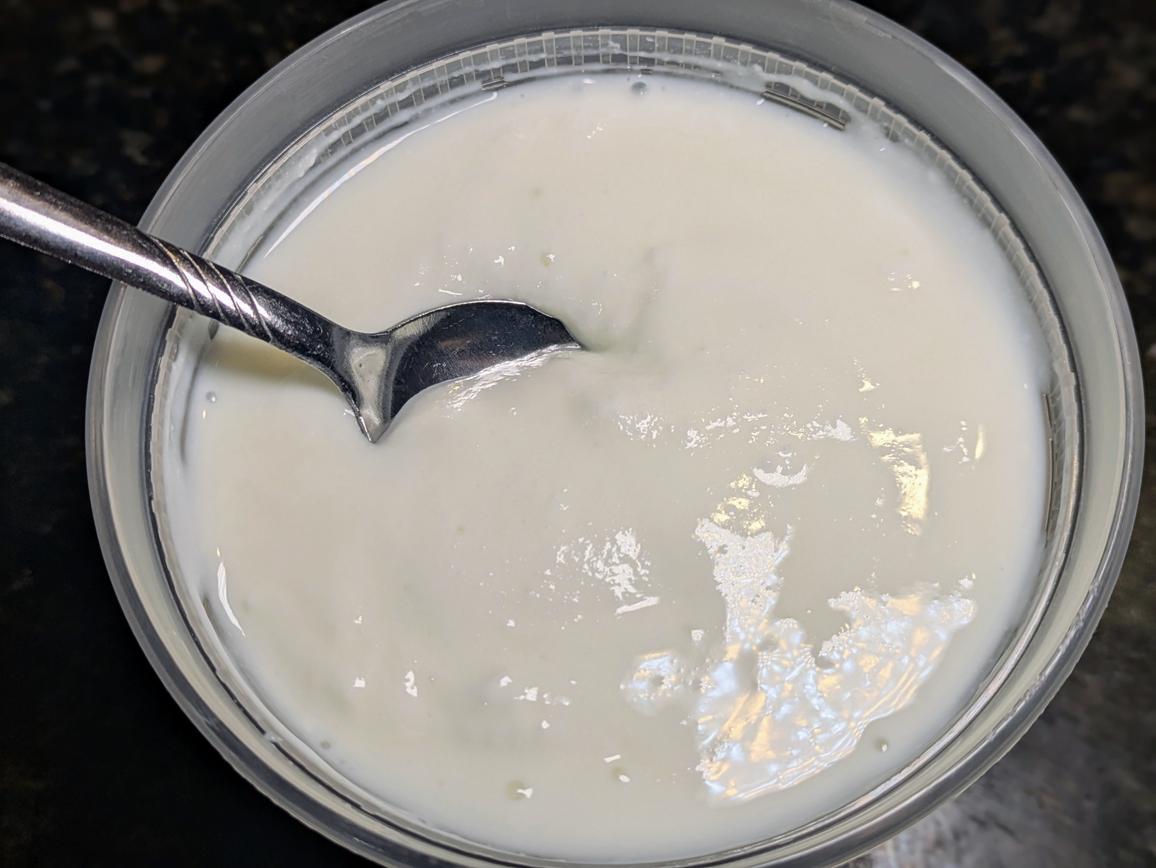
Who doesn't love Greek yogurt? Ok I can think of plenty of people, but whatever. Plain nonfat Greek yogurt is the king of protein. A 32 oz (908 g) tub of Greek yogurt contains 5 servings, each with 100 calories and 17 g of protein, and costs only $3.29.
But would you believe me if I said that homemade Greek yogurt is even cheaper? Plus it tastes better, and is fairly simple to make.
Table of Contents

Ingredients
- 8 cup, 1/2 gal (1920 g) Skim milk
- 1/2 cup (113 g) Plain nonfat greek yogurt

Instructions
-
7 am Saturday
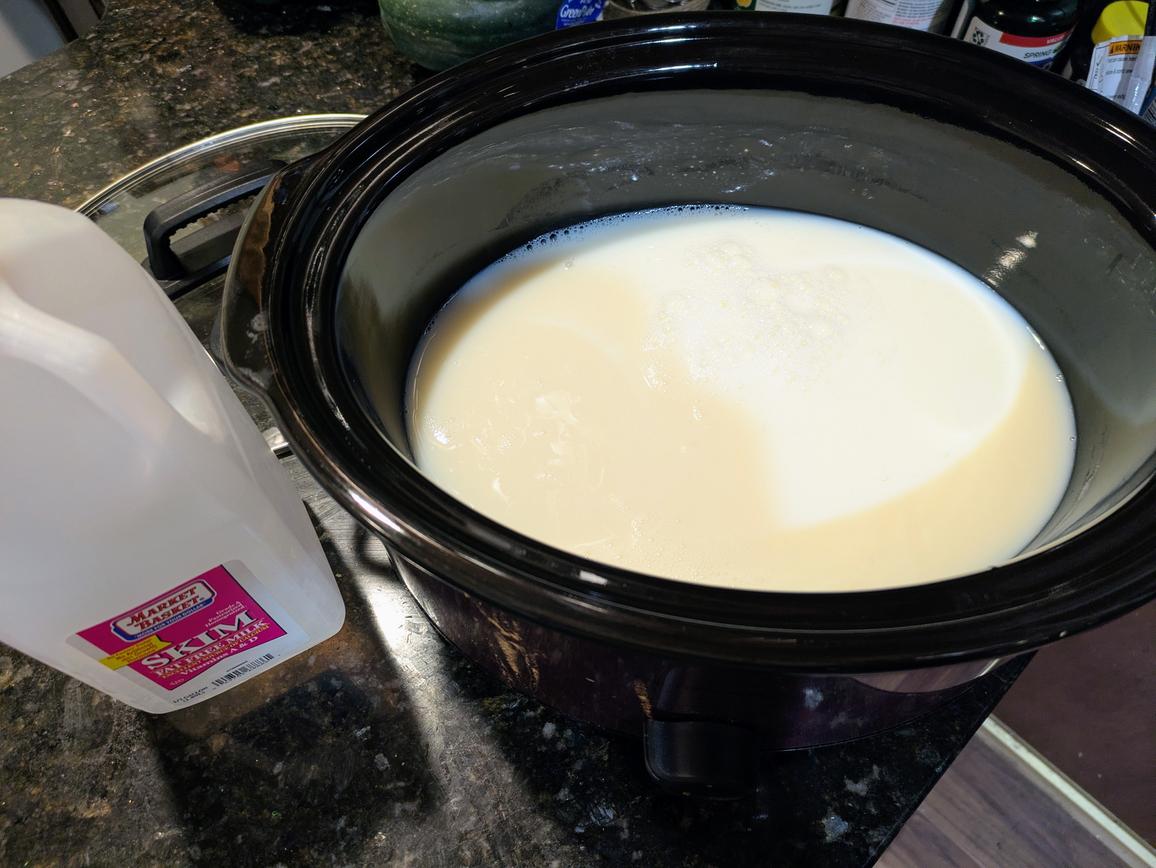
Add your milk to a large slow cooker. Set the heat to low, cover, and cook for about 3 hours, or until the milk heats up to 180F. -
10 am Saturday
Turn off the slow cooker. Leave the cover on, and allow the milk to cool to 110F, about 3 hours.
As the milk is cooling from 180F to 110F, leave your 1/2 cup (113 g) of yogurt on the counter to come up to room temperature. -
1 pm Saturday
When the milk drops down to 110F, whisk in the yogurt.
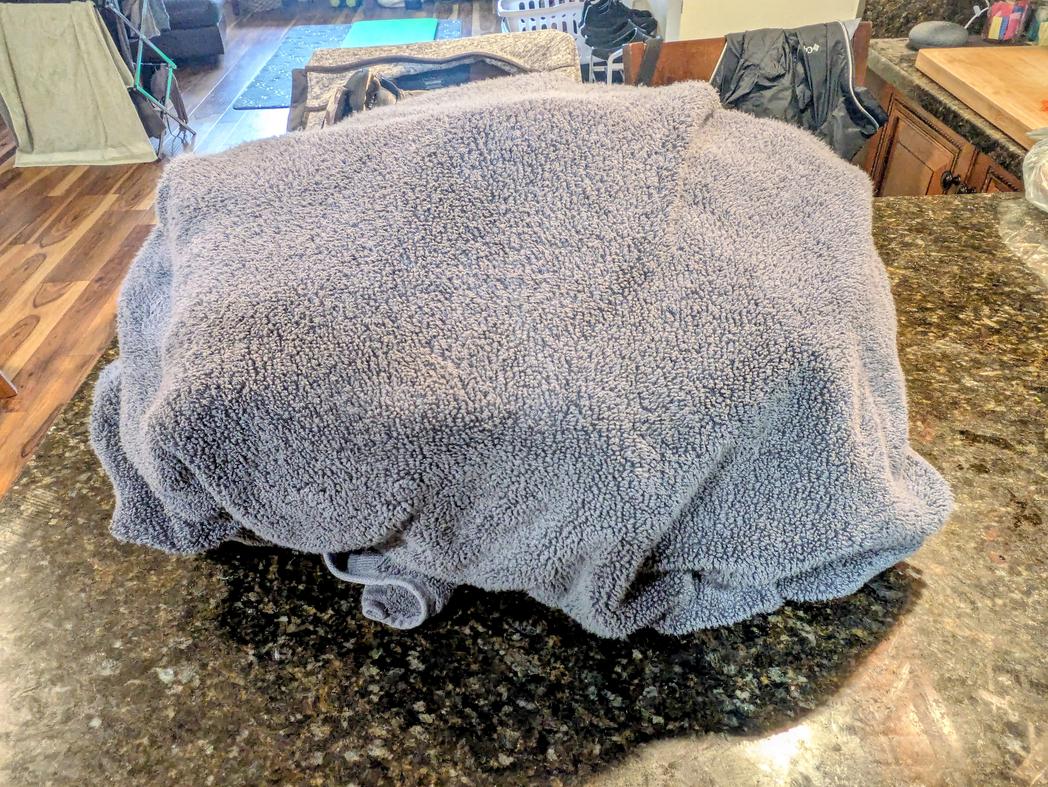
Place the lid on the slow cooker, and wrap the slow cooker in a thick shower towel. Let it ferment on the counter for 8 hours. -
9 pm Saturday
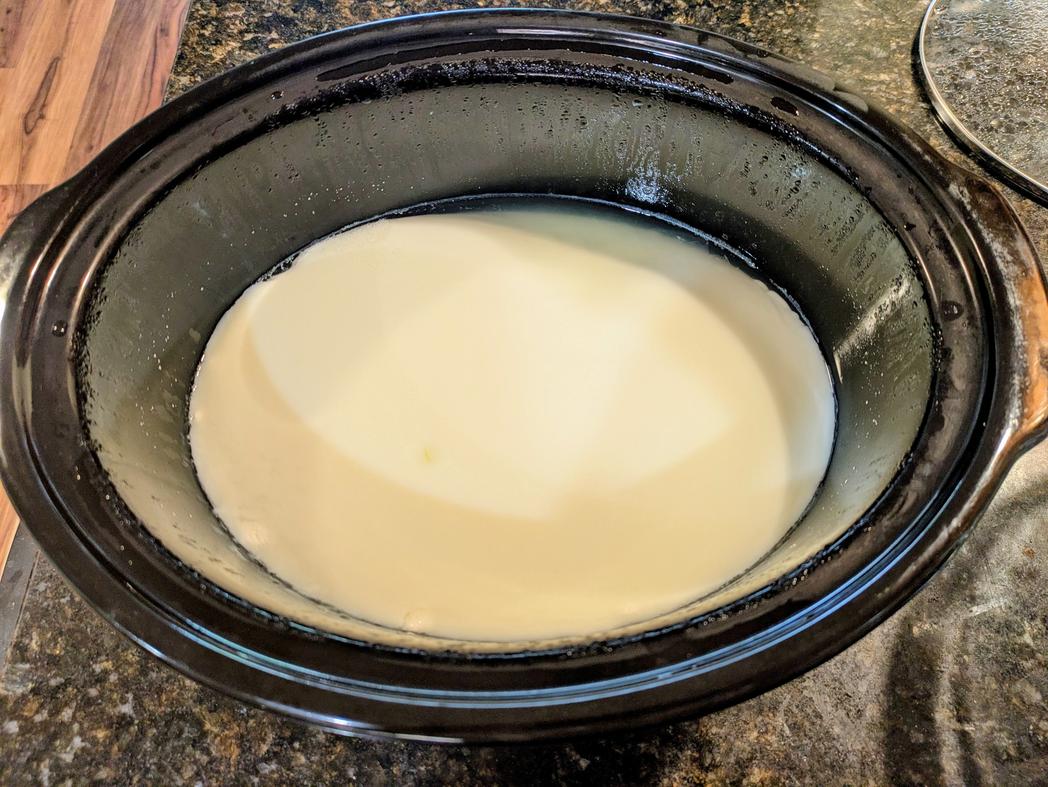
Remove the towels. Don't shake or stir the yogurt at all. Transfer the slow cooker to the fridge to chill and set overnight, at least 8 hours. -
7 am Sunday
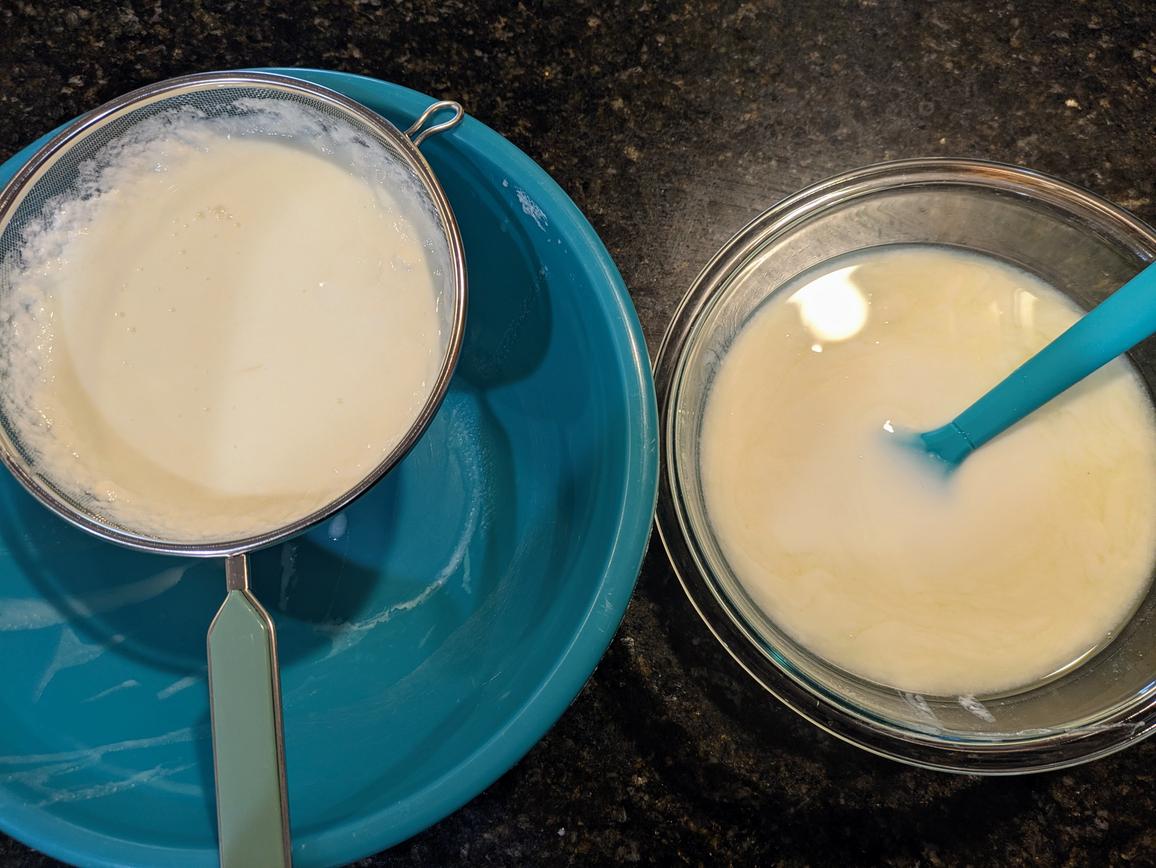
After chilling, place a cheesecloth or fine mesh strainer over a large bowl. Pour into the strainer, and let the yogurt strain for about 1–2 hours in the fridge to transform it from regular yogurt into thicker Greek yogurt. I ended up with about 662 g of Greek yogurt.
Reserve the leftover liquid whey for baking bread, soaking beans, making soup, or whatever else you can think of. I ended up with about 1,270 g of liquid whey.
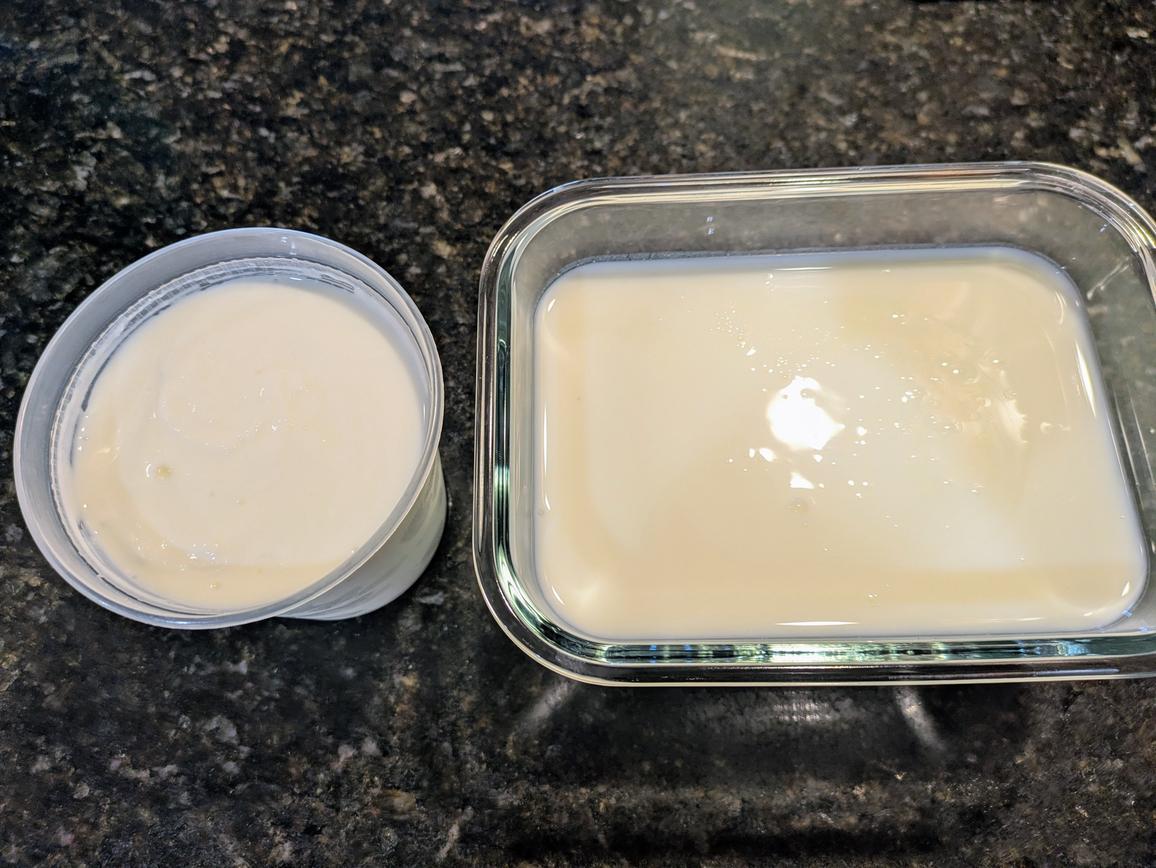
Transfer the homemade yogurt and whey to airtight containers. Store in the fridge for up to 1 week, or in the freezer indefinitely.

Nutrition Facts
Using half a gallon (1,920 g) of skim milk and half a cup (113 g) of yogurt, I ended up with about 662 g of Greek yogurt and 1,270 g of homemade whey.
For the full batch of each, the nutrition facts are below. The sum of the nutrition facts of the yogurt and whey will equal the nutritional info for the full amount of milk and yogurt you started with.
Assuming a serving size of 3/4 cup (170 g) of yogurt and 1 cup (240 g) of liquid whey, that means you end up with approximately 3.89 and 5.29 servings of yogurt and whey, respectively. Below are the nutrition facts per serving:

Cost Analysis
The cost of the ingredients used is $2.69 per gallon (3,840 g) of skim milk, and $2.99 per 16 oz (454 g) of plain nonfat Greek yogurt. I opted for the more expensive Fage yogurt instead of the standard store brand because I wanted to make sure I had a good starter culture.
Since I used half a gallon (1,920 g) of skim milk and half a cup (113 g) of Greek yogurt, the total cost of the ingredients for this recipe is $2.69 / 2 = $1.35 for the milk and $2.99 / 4 = $0.75 for the yogurt, for a total of $2.09.
Since I yielded about 662 g of homemade yogurt, this means that the cost per pound of homemade yogurt is $1.43. That's $2.86 for a standard size 32 oz (908 g) container of yogurt.
In comparison, the cheap store brand plain nonfat Greek yogurt costs about $3.29 for a 32 oz (908 g) container, which is about $1.65 per pound. So homemade yogurt is about 13% cheaper than the store brand.
But that's considering just the first batch. Going forward, you can reserve 1/2 cup (113 g) of your homemade yogurt to use as the starter culture for the next batch, which will reduce the cost of each subsequent batch by $0.75.
This brings the total cost of homemade yogurt down from $2.09 per batch to $1.34. That's about $0.92 per pound, or $1.84 for a 32 oz (908 g) container. At that point, homemade yogurt is about 44% cheaper than the store brand.
Plus we have all the liquid whey leftover we get for free, which we can use for other things. Feel free to substitute water or milk for liquid whey in baked goods and smoothies, use it to soak beans, or add it to soups for extra flavor and nutrients.
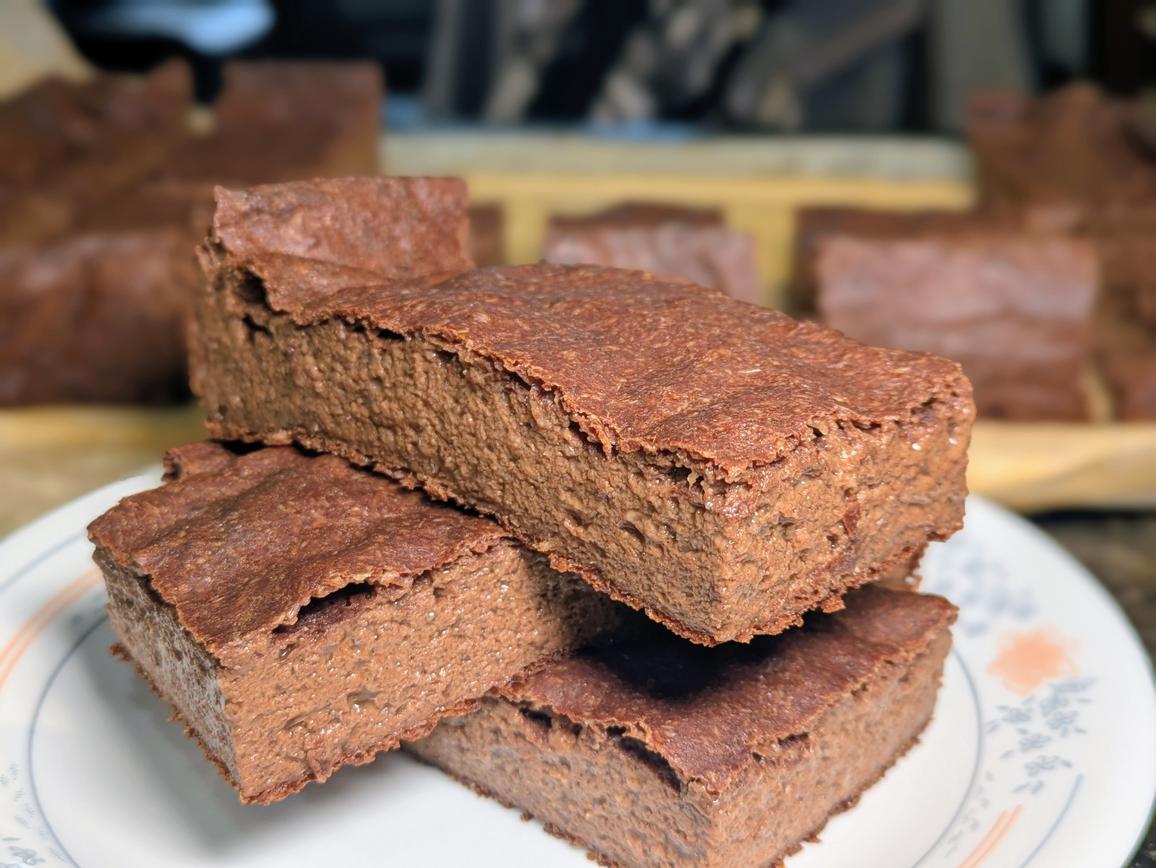
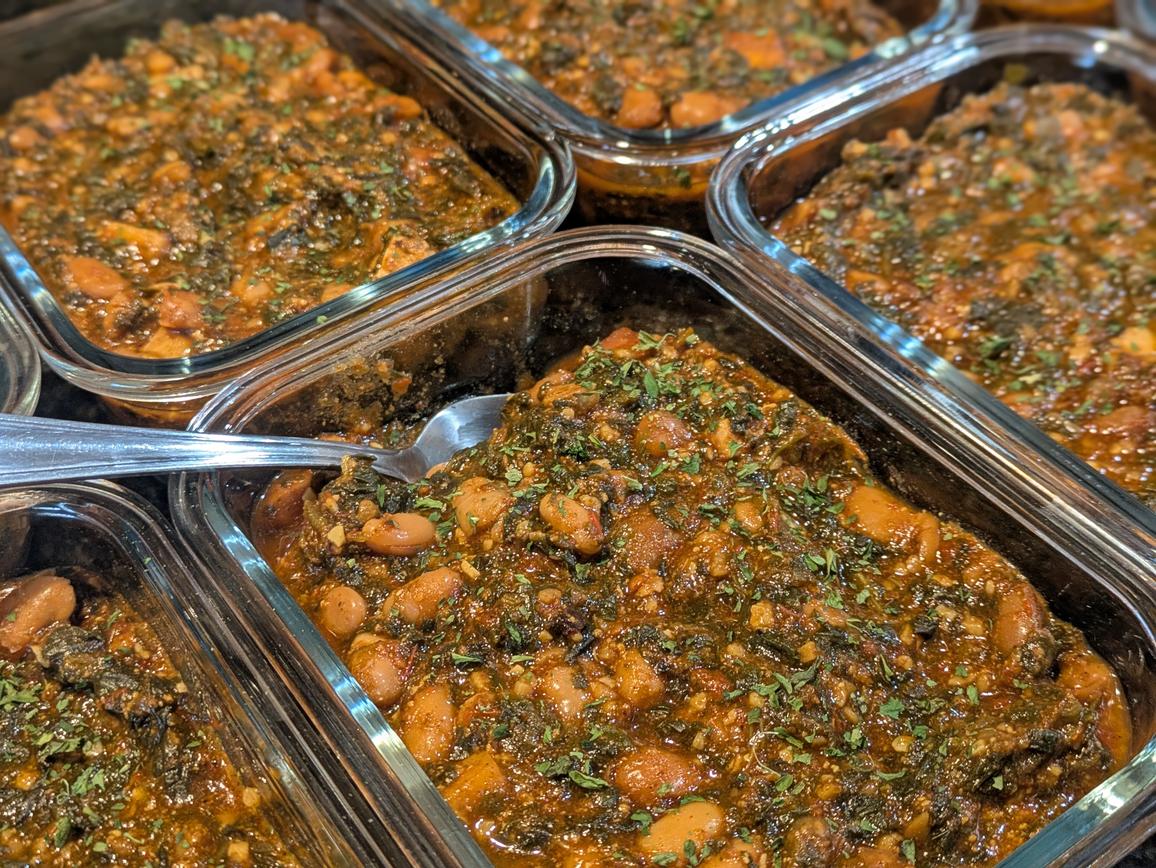
For a recipe specifically designed to use up leftover liquid whey, check out my Discard Whey Protein Bars recipe. Or, to use up both the yogurt and the whey, try my "Put the Milk Back Together" Beans recipe.
Conclusion
There you have it. Homemade plain nonfat Greek yogurt. Of course, you can make this into low fat or whole milk yogurts using 2% or whole milk instead of skim.
Additionally, if you prefer thinner "regular" yogurt instead of thicker Greek yogurt, just skip the straining step.
If the yogurt develops an unusual odor, visible mold, or pink/orange discoloration, discard it.
Whatever you do, just remember to reserve about 1/2 cup (113 g) of your homemade yogurt in order to make the next batch. Happy yogurt making!
Sources
This post may contain affiliate links