TL;DR
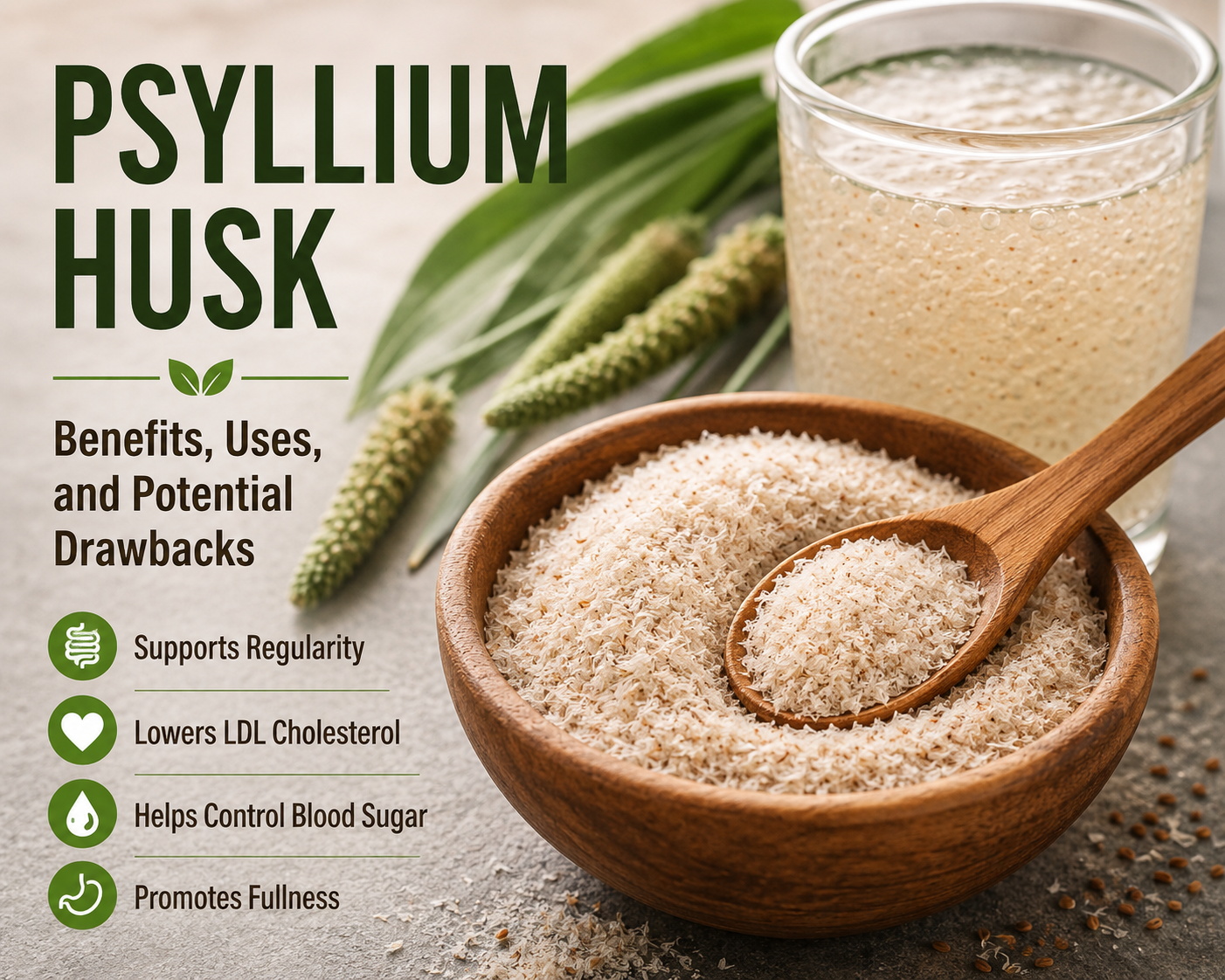
Psyllium husk is one of the most well studied fiber supplements available. It is rich in soluble fiber that absorbs water and forms a gel inside the digestive tract. This unique property allows it to improve constipation, help control diarrhea, lower LDL ("bad") cholesterol, reduce blood sugar spikes after meals, and increase fullness. While it is not a replacement for a diet rich in fruits, vegetables, legumes, and whole grains, psyllium can be an inexpensive and effective way to help people reach their daily fiber needs.
Introduction
Fiber has quietly become one of the most overlooked nutrients in the modern diet. While people often focus on protein, healthy fats, or vitamins, most adults fail to consume even the minimum recommended amount of dietary fiber. This shortfall has been linked to constipation, poorer blood sugar control, elevated cholesterol, and an increased risk of several chronic diseases.
Among the many fiber supplements available today, psyllium husk consistently stands out. It has been studied for decades, is inexpensive, widely available, and supported by a large body of scientific evidence. Unlike many supplements that promise dramatic results with little research behind them, psyllium has repeatedly demonstrated measurable health benefits.
So is psyllium husk simply another overhyped supplement, or is it one of the few that actually deserves a place in your pantry?

Table of Contents
- TL;DR
- Introduction
- What is Psyllium Husk?
- How Does Psyllium Work?
- Nutrition Profile
- Benefits
- Potential Drawbacks
- Whole Foods vs. Psyllium
- How to Use Psyllium Husk
- Conclusion
- Sources

What is Psyllium Husk?
Psyllium husk is composed primarily of soluble fiber, although it also contains a smaller amount of insoluble fiber. Unlike digestible carbohydrates, humans cannot break down these fibers into usable energy. Instead, they travel largely intact through the digestive system, where they absorb water and form a thick, gel-like substance.
This gel-forming ability is what makes psyllium unique. Rather than acting as a stimulant laxative that forces the intestines to contract, psyllium works mechanically by changing the consistency of material moving through the digestive tract. Because of this, it has benefits that extend far beyond relieving constipation.

How Does Psyllium Work?
Almost every health benefit associated with psyllium can be traced back to one simple property: its remarkable ability to absorb water. When mixed with liquid, psyllium can absorb many times its own weight in water, expanding into a thick gel within minutes.
After being consumed, this gel continues to move through the digestive tract. Inside the stomach, the gel slows gastric emptying, meaning food leaves the stomach more gradually. This can increase feelings of fullness and slow the absorption of carbohydrates, resulting in smaller blood sugar spikes after meals.
Within the small intestine, the gel can bind to bile acids. Because bile acids are produced from cholesterol, excreting more bile forces the liver to remove LDL cholesterol from the bloodstream to produce additional bile. This is one of the primary reasons psyllium has consistently been shown to lower LDL cholesterol.
Finally, in the large intestine, psyllium helps normalize stool consistency. Hard stools become softer because the fiber retains water, while loose stools become firmer because excess water becomes trapped within the gel. This unique property explains why psyllium can improve both constipation and diarrhea.
Nutrition Profile
Unlike fruits, vegetables, or whole grains, psyllium husk contains very little besides fiber. Nearly all of its carbohydrates are non-digestible fiber, meaning it provides very few net carbs and calories. A standard 2 tbsp (10 g) serving contains roughly 7 g of fiber in just 10 calories, making it the most concentrated source of dietary fiber.

Benefits
Can Relieve Constipation
Psyllium is best known for relieving constipation. By absorbing water and increasing stool bulk, it softens hard stools and makes bowel movements easier without stimulating the intestines.

Can Also Help Diarrhea
Surprisingly, psyllium can also improve diarrhea. The same gel that softens hard stools can absorb excess water in loose stools, helping normalize bowel movements. Because of this, it is commonly recommended for people with irritable bowel syndrome (IBS).

Heart Health & Cholesterol
Regular psyllium intake has consistently been shown to lower LDL ("bad") cholesterol. The soluble fiber binds bile acids, causing the body to use cholesterol to make more.

Blood Sugar Control
Because psyllium slows digestion, it can reduce the rise in blood sugar after meals. This may improve blood sugar control in people with type 2 diabetes and help reduce large glucose spikes after carbohydrate-rich meals.
Weight Management
Psyllium absorbs water and expands in the stomach, increasing feelings of fullness. While it does not directly burn calories or fat, it may help some people eat less by reducing hunger between meals.

Gut Health
Some of psyllium's fiber is fermented by beneficial gut bacteria, producing compounds called short-chain fatty acids that help support colon health. Although it is less fermentable than some other fibers, it is generally better tolerated and causes less gas.
Potential Drawbacks
Psyllium is considered very safe for most people, but there are a few important considerations.
Always take psyllium with plenty of water. Because it absorbs large amounts of liquid, taking it dry or with too little water can create a choking hazard or, rarely, contribute to an intestinal blockage.
Some people experience gas, bloating, or abdominal discomfort when first increasing their fiber intake. Starting with a small dose and gradually increasing it usually minimizes these symptoms.
Finally, psyllium may slow the absorption of certain medications. To avoid interactions, many healthcare providers recommend taking medications at least two hours before or after psyllium.

Whole Foods vs. Psyllium
Psyllium is an excellent source of fiber, but it is not a substitute for a healthy diet. Fruits, vegetables, legumes, and whole grains also provide vitamins, minerals, antioxidants, and many other beneficial compounds that psyllium lacks.
Psyllium husk should be viewed as a supplement to a high-fiber diet rather than a replacement for whole foods. Just like how protein powder shouldn't be your main protein source, psyllium husk shouldn't be your main source of fiber; that should always come from whole foods.

How to Use Psyllium Husk
Psyllium can be mixed into water, smoothies, yogurt, oatmeal, or protein shakes. Because it thickens rapidly, it should be consumed soon after mixing. If you're new to fiber supplements, start with a smaller amount and gradually increase your intake while drinking plenty of water.
If you're familiar with the product Metamucil, this is just orange flavored and sugar sweetened psyllium husk. All you do is dissolve it in a glass of cold water and drink it for an easy source of soluble fiber. I personally use unflavored, plain psyllium husk, as it is cheaper and has no added sugar or flavoring.
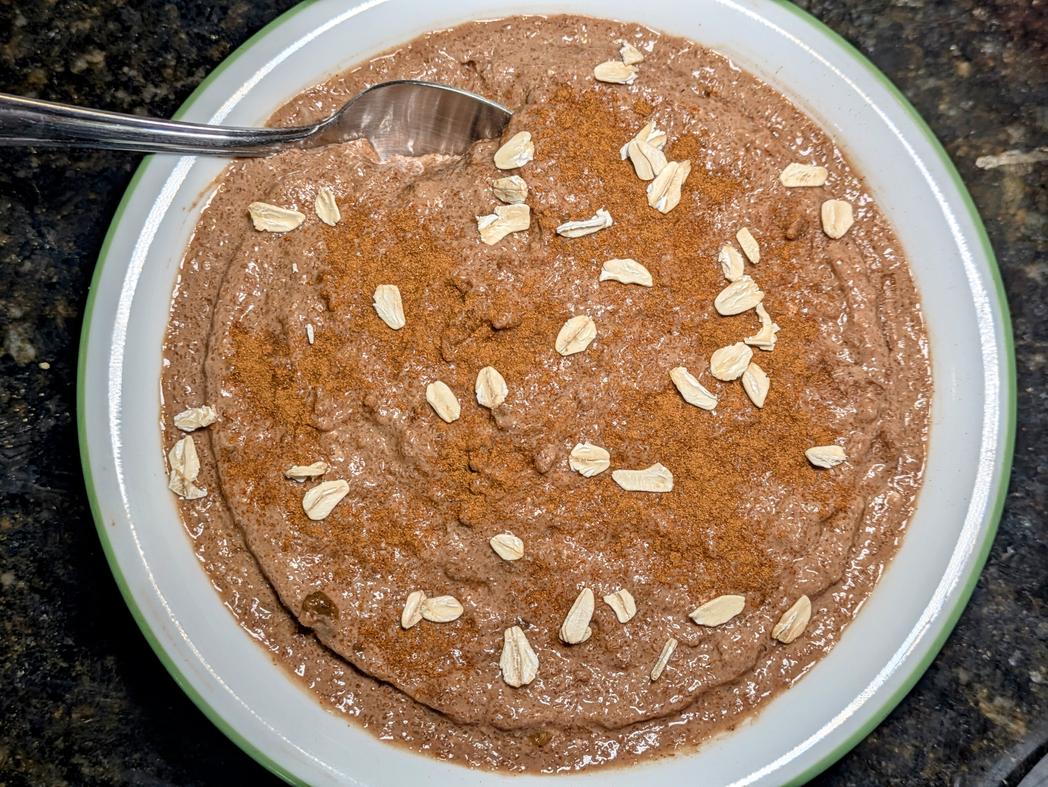
Lately, I've been on a high fiber recipe kick, and been making a bunch of foods that are high in fiber and low in calories that utilize psyllium husk. Check out any of the following recipes for some less conventional ways to utilize psyllium husk in your diet:
- Discard Whey Protein Bars
- Fiber Chocolate Milk
- High Fiber Jelly
- High Fiber Psyllium Wrap
- No-vernight No-ats
- Protein Breakfast Banana Bread for One
- Very Vic No-vernight No-ats
Additionally, mixing psyllium husk with water and letting it sit for a few minutes will form a gel that works great in gluten-free baking, as it can help provide structure that gluten-free flours lack. This psyllium-water mixture can also serve as an egg substitute, similar to a flax egg or a chia egg.
- Almond Flour Rolls & Bagels
- Almond Flour Sandwich Loaf
- Cottage Cheese Flatbread
- Gluten Free Flaxseed Crackers
- Gluten Free Millet Bread
- Nordic Nut Loaf (GF)

Conclusion
Psyllium husk is one of the most effective and well researched fiber supplements available. It can improve constipation, help control diarrhea, lower LDL cholesterol, reduce blood sugar spikes, and increase fullness with relatively few side effects.
However, as a fiber supplement, psyllium husk should be supplemental to a diet rich in whole plant foods. If you struggle to meet your daily fiber needs, psyllium can be an inexpensive and convenient addition to a healthy diet.

Sources
- FlatIcon
- Nutrition Value
- National Institute of Diabetes and Digestive and Kidney Diseases (NIDDK): Eating, Diet, & Nutrition for Constipation
- Healthline - The Health Benefits of Psyllium
- PubMed - Closing America's Fiber Intake Gap
- Nutrition - Most Americans are not getting enough fiber in our diets
- MedlinePlus - Psyllium
- Cleveland Clinic - Should You Be Using Psyllium Husk?
- GoodRx - What is Psyllium Husk and Should You Be Taking It?
- Medical News Today - 8 Benefits of Psyllium Husk
- Metamucil - What is Psyllium?
- Harvard Health - Psyllium Fiber: Regularity and Healthier Lipid Levels?
- WebMD - How to Use Psyllium Husk
This post may contain affiliate links