Introduction
Ah, the humble egg. Everyone knows eggs. But how many different ways are there to prepare this simple food?
Of course, there's the classics: scrambled, omelette, sunny side up, etc. But what are all the ways I can think of for making eggs, and how can you do it?
For most of these methods, I will be using a medium non-stick pan, and a small spray of oil. I will also be pre-salting the eggs with a pinch of salt prior to cooking, with black pepper for seasoning at the end unless otherwise specified.
Table of Contents
American Omelette
We're starting with your classic diner omelette. The half moon of eggs filled with cheese, meat, or veggies. It's very similar to the hard scramble, except that you want 1 difinitive shape instead of multiple large curds. A French omelette is very different from an American omelette, as the former is creamier, cooked over low heat, and a trifold. An American omelette on the other hand is hard, fully set, and a bifold.
Preheat a medium pan over medium high heat with a spray of oil. Beat your eggs in a bowl with a pinch of salt and optional splash of milk. Add the eggs to the hot pan, and cook with occasional stirring until they're mostly set, about 2-3 minutes. Pat them down into an even and circular layer, cover with a lid, and let them sit until they're fully cooked through, about another 1-2 minutes. Fill the inside with anything you like, and fold in half. Season with black pepper, and serve.

Cloud Egg
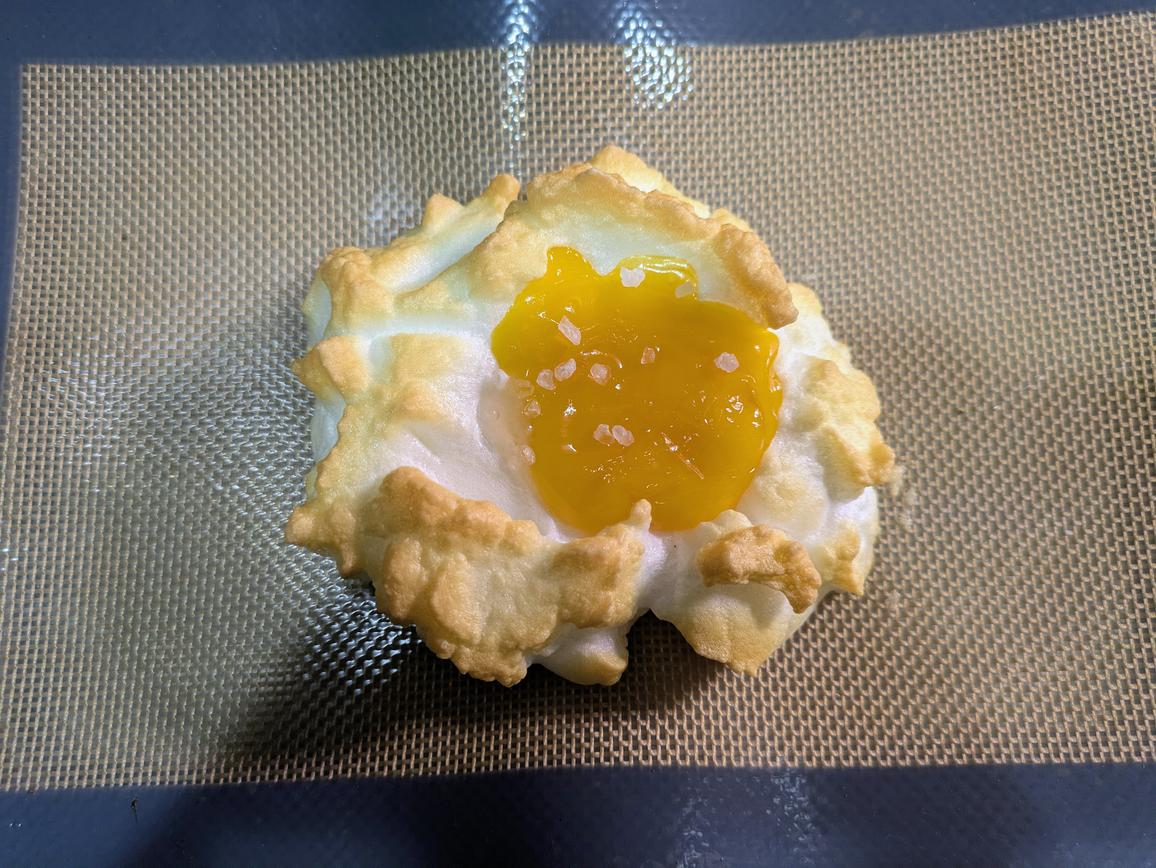
This one is a weird one. A cloud egg basically only exists for aesthetics, but it's a fun one to make. It's got a fluffy exterior from the beaten egg whites, similar to my Low Carb Cloud Bread and Cloud Bread Loaf.
Separate the white from the yolk, and beat the whites with a hand mixer with a small pinch of salt until you have stiff peaks, about 3-5 minutes.
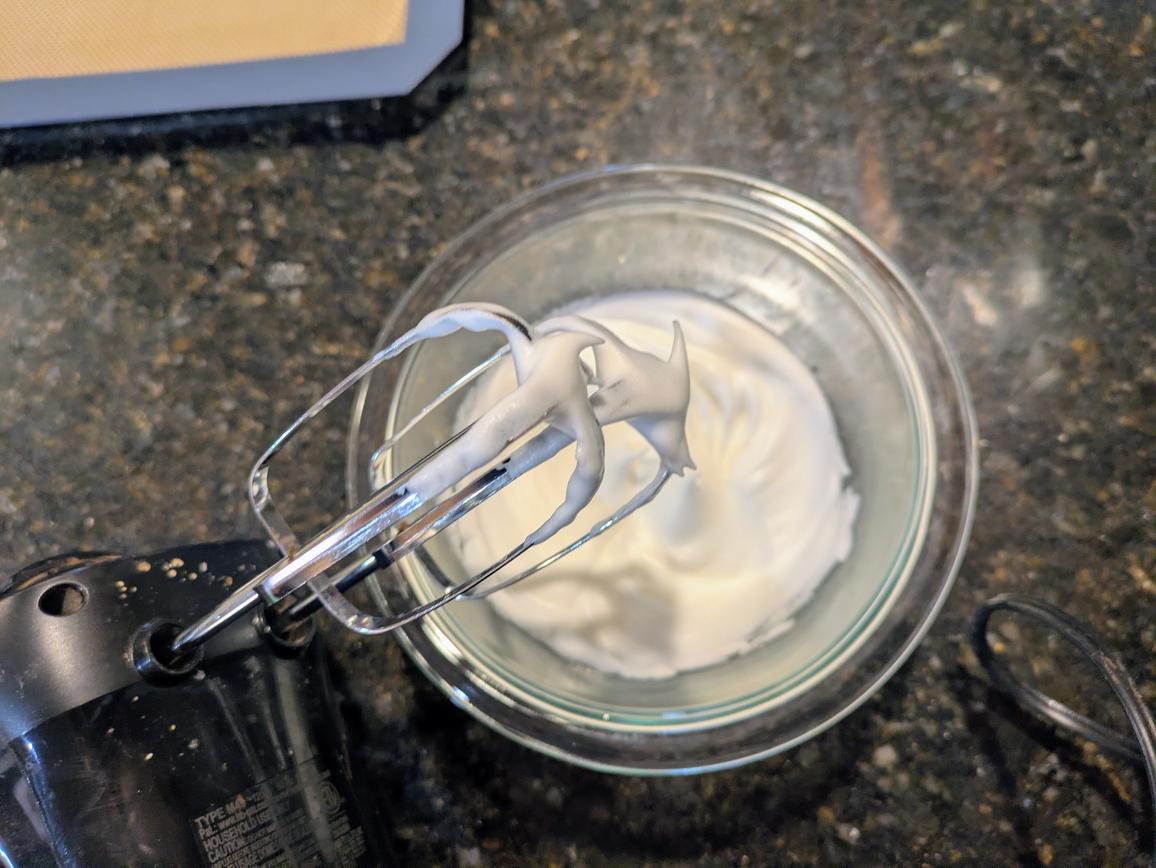
Arrange the egg whites into little mounds on a parchment lined baking sheet. Carve out a small divot for the yolk.
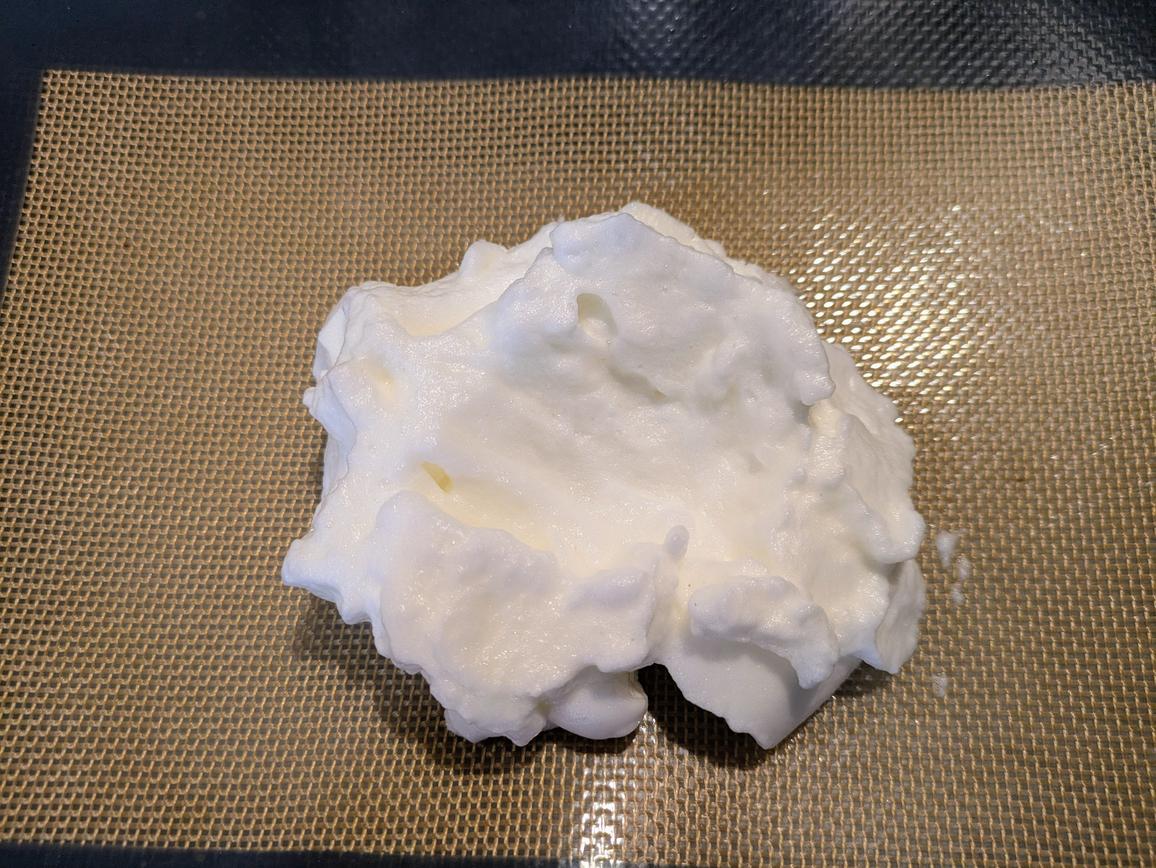
Bake in a preheated 400F oven for about 5 minutes, or until the whites just start to brown. Add the raw egg yolk into the hole.
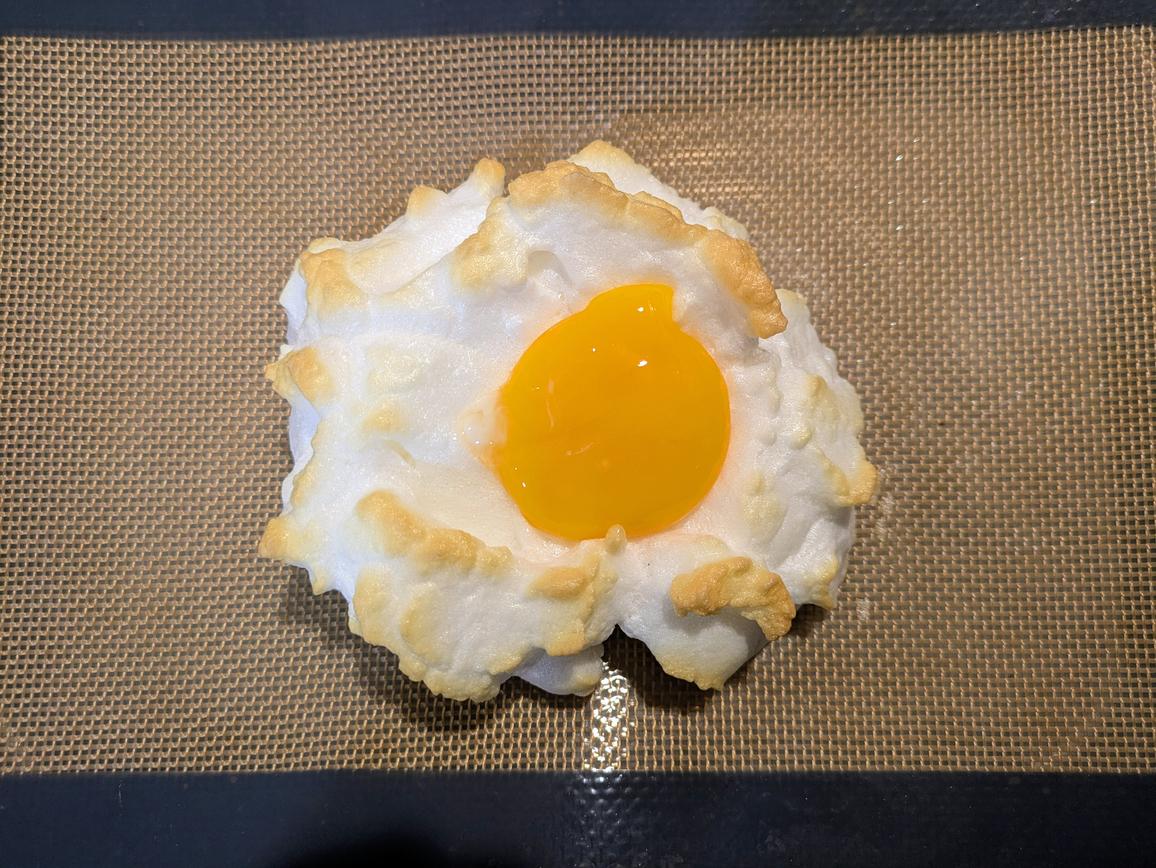
Bake for an additional 3 minutes, or until the yolk just begins to set.
French Omelette
While the American omelette is an omelette version of the hard scramble, the French omelette is an omelette version of the soft scramble. An American omelette is very different from a French omelette, as the latter is creamier, cooked over low heat, and a trifold. An American omelette on the other hand is hard, fully set, and a bifold. The French omelette is also possibly the hardest egg to master.
Preheat a medium non-stick pan over medium-low heat with a spray of oil. Crack your eggs into a bowl, and whisk until smooth with a small pinch of salt. Optionally, strain the eggs through a fine mesh strainer. Add the eggs to the pan, and stir near-constantly with chopsticks to break up the curds. If it looks like they're cooking too fast and you're seeing visible curds, briefly remove from heat and stir before adding back onto the burner.
When the eggs are about 90% set (still a bit undercooked compared to a soft scramble), use your spatula to genly roll one end towards the center, and repeat with the other side to get a trifold-type long egg cylinder. The outside should be just barely set, and the inside should be a little gooey and custardy.

Fried Egg
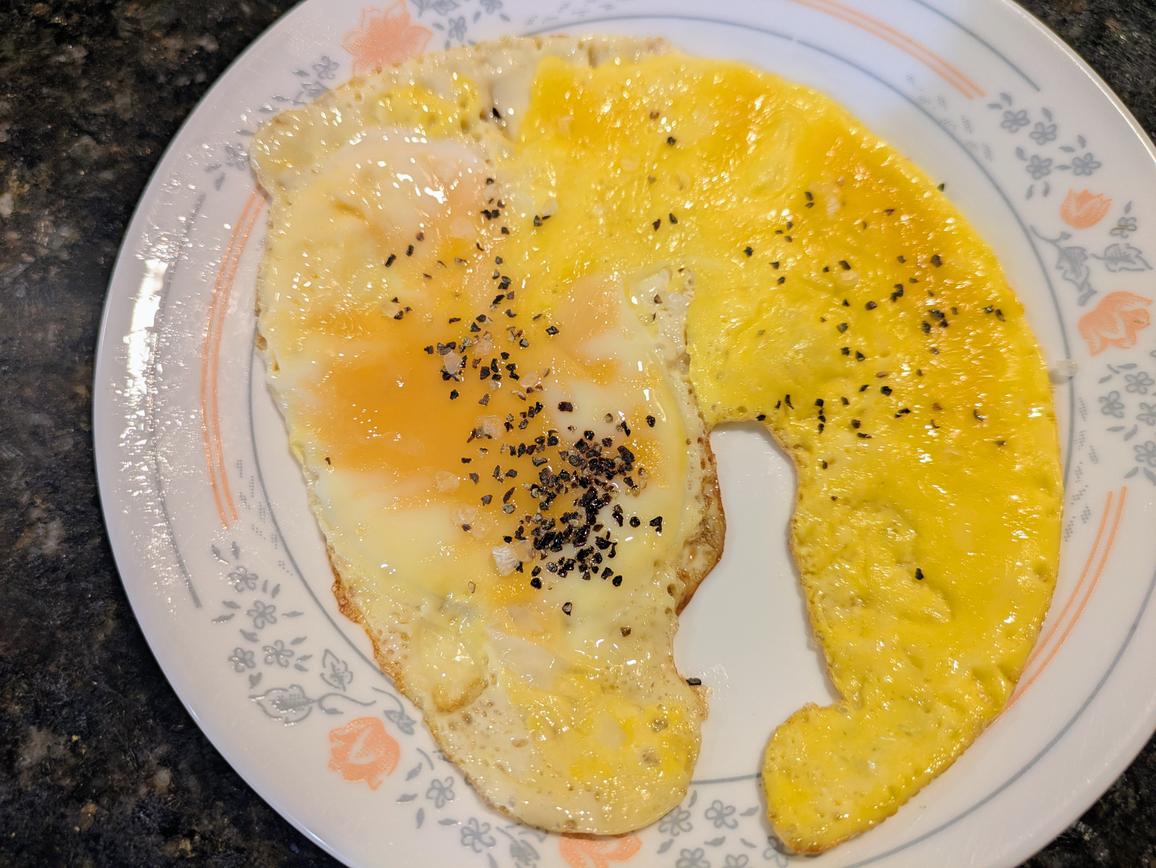
Here's the humble fried egg. Nothing fancy, the fried egg is the most likely egg you'll encounter at a brunch other than the hard scramble or American omelette.
While over easy and sunny side up are types of fried eggs, a fried egg is typically a more general term for an egg that has a lightly browned whites and a midly runny yolk.
Compared to over easy and sunny side up, which are cooked with a lid, a fried egg is not. Therefore, it's doesn't use any steam to cook the tops of the whites or yolk, which also leads to a crispy bottom. A fried egg, like sunny side up, is not flipped, unlike over easy.
Preheat a medium non-stick pan over medium heat with a small spray of oil. You need the pan to be hot and shimmering. Crack in your egg, and optionally break the yolk slightly with a fork. Let the egg sit undisturbed for about 2-3 minutes, or until the whites are browned and crispy, and the yolk is just barely set. Season the top with salt and black pepper.
Frittata
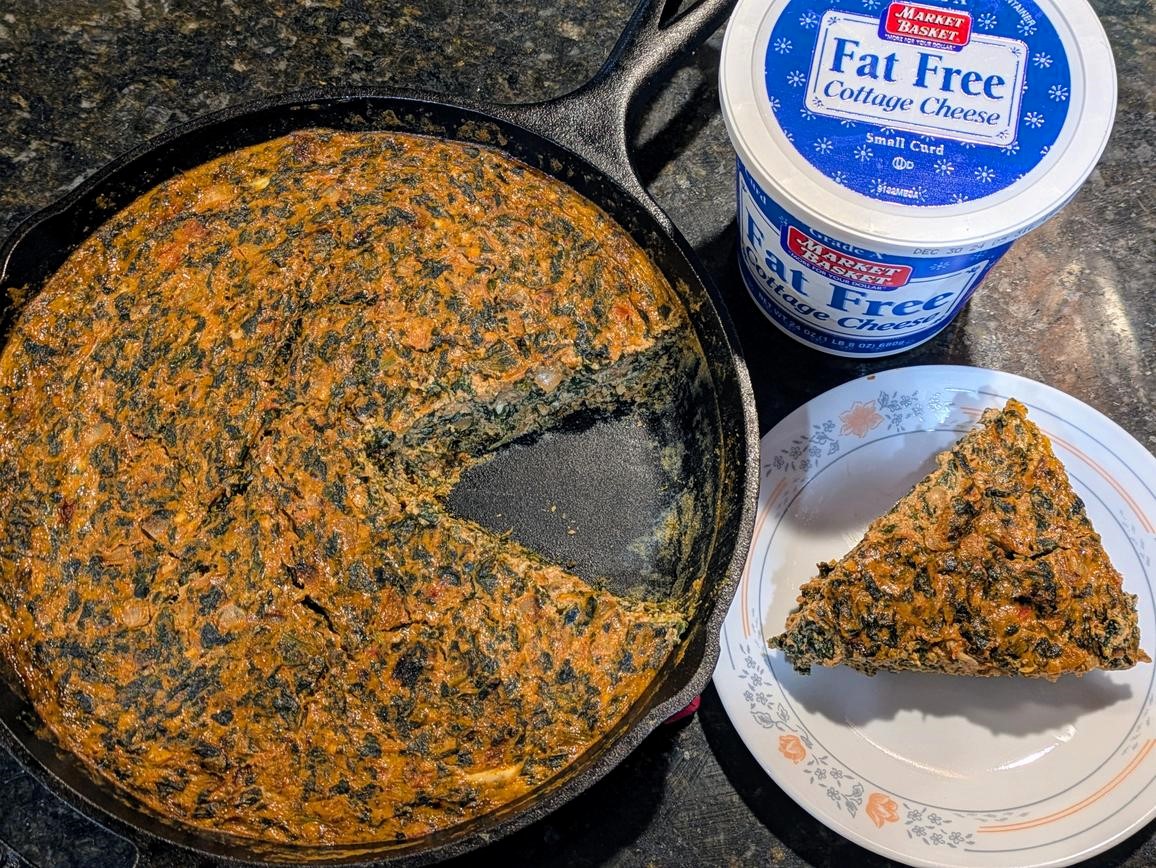
Frittata is almost a type of veggie overload form of eggs, except this one is an actual dish. It's essentially just a quiche without a crust that's cooked in a cast iron pan. This is because it uses a mixture of stovetop to cook the vegetables and the oven to cook the eggs. It's a great way to use up any raw or cooked vegetables you have laying around, and is good for meal prep or for serving to others for a breakfast or brunch.
I have a specific recipe for frittata; check out my Spinach and Onion Frittata, but here's the quick rundown. Sautee a 2 lb (908 g) bag of frozen spinach and with 2 onions in a 10" cast iron pan over medium high heat, until the water has cooked off the spinach and the onions are translucent. Into a medium bowl, crack 6 eggs, and whisk until smooth with 1 cup (226 g) whipped cottage cheese.
Add the egg mixture to the pan, along with whatever spices you want, and gently mix until fully combined. Transfer the pan to a preheated 375F oven, and bake for about 30 minutes (uncovered), or until the center is set, the edges are golden, and the internal temperature is at least 160F. Let cool for 15 minutes before slicing.
Hard Boiled Egg
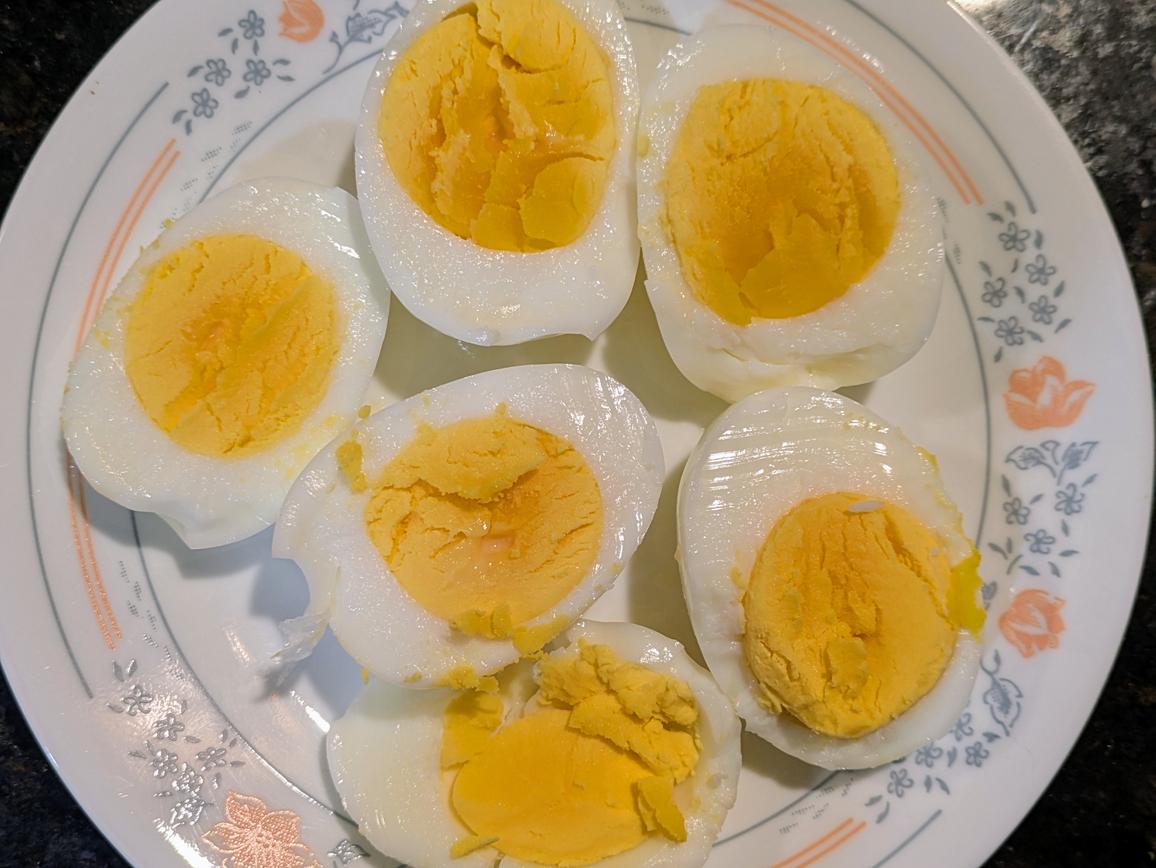
Hard boiled eggs are surprisingly one of my favorite ways to enjoy eggs for how easy they are to make. Typically, you would boil eggs in a pot of water before transferring them to an ice bath. However, I prefer to use my air fryer actually since it's easier and doesn't use any dishes.
Hard boiled eggs are surprisingly versatile. They can be a quick snack, or chopped up and mixed into a salad. You can also shorten the cooking times to end up with either a soft or medium boiled egg as well.
For the stovetop method, place your eggs in a medium pot. Pour water on top to cover the eggs by about 1 inch. Bring the water to a boil over high heat, and let boil for 2 minutes. Reduce the heat to medium to hold a simmer, and let the eggs simmer for the following times:
Hard Scrambled
Here's your classic scrambled egg. A hard (or American) scrambled egg is kinda the opposite of a soft (or French) scrambled egg. The hard scramble is cooked over higher heat with less stirring in order to for larger, drier, and fluffier egg curds. It's very similar to the hard scramble except that you mix the cooked egg instead of trying to keep it uniform. For most people, this is what they think of when they think of eggs, but I've personally never been a fan.
Preheat a medium pan over medium high heat with a spray of oil. Beat your eggs in a bowl with a pinch of salt and optional splash of milk. Add the eggs to the hot pan, and cook with occasional stirring until you have big, soft curds, about 3-4 minutes. Season with black pepper, and serve.

Over Easy
Next up, we have the over easy egg. It's similar to a sunny side up except that an over easy is flipped. An over easy egg is a type of fried egg that's flipped.
Preheat a medium non-stick pan over medium heat with a small spray of oil. You need the pan to be hot and shimmering. Crack in your egg, cover with a lid, and let it sit undisturbed for about 1-2 minutes, or until the whites are just barely set. Flip with a spatula, and cook the other side (covered) for an additional minute. Season the top with salt and black pepper.
To make an over medium or over hard egg, cook each side for an additional 30 seconds to 1 minute, respectively. An over easy egg should have an entirely runny yolk and barely browned whites. An over medium would have lightly browned whites and a slightly runny, slightly set egg yolk.
For an over hard, the yolk will be almost entirely set with browned whites. I ended up more more of an over hard here, with a set yolk that isn't runny.

Pickled Egg
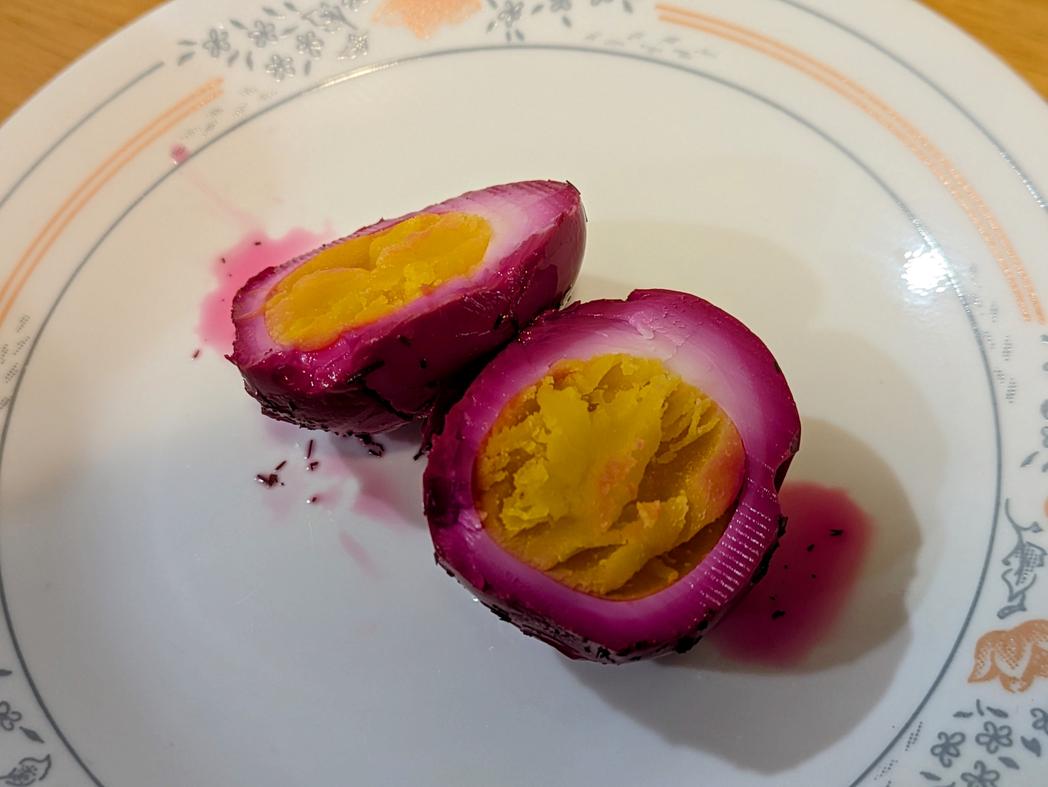
I hope you don't want a pickled egg now, because these take about a week to make. A pickled egg starts with a hard boiled egg that you let pickle in a brine of leftover pickle juice to absorb it's salty and tangy flavor. They can be a great topping to any bowl or salad, or even just eaten on their own. For another maninated egg, check out the soy marinated egg.
Start with a hard boiled egg. Add to an airtight bag with 1 cup (240 g) of any pickling liquid, such as the leftover liquid from a jar of pickles. If you use pickled beets, then your egg will come out all cool and pink.
Also add in 1 tbsp (15 g) of any vinegar (I'll use apple cider vinegar) and any spices you desire. Here I'm going with 2 tbsp (30 g) of minced garlic and 1 tbsp (3 g) dried dill. Let pickle in the fridge for at least 2-3 days, and up to 2-3 weeks. Use the leftover liquid in any cooking you desire, such as a marinade chicken or for cooking rice.
Poached Egg
A poached egg is the classic for Egg's Benedict, served with an English Muffin and hollandaise sauce. It's probably the most time and resource intensive egg cooking method on this list, and it's very easy to get it wrong. Here's a trick I learned for a cleaner poached egg: using vinegar.
In a medium bowl, mix together equal parts of water and white vinegar (about 1 cup, 240 g each). Crack your egg into a fine mesh strainer over a small bowl. Swirl the strainer to remove all the liquidy egg whites, and transfer your egg into the water/vinegar bowl.
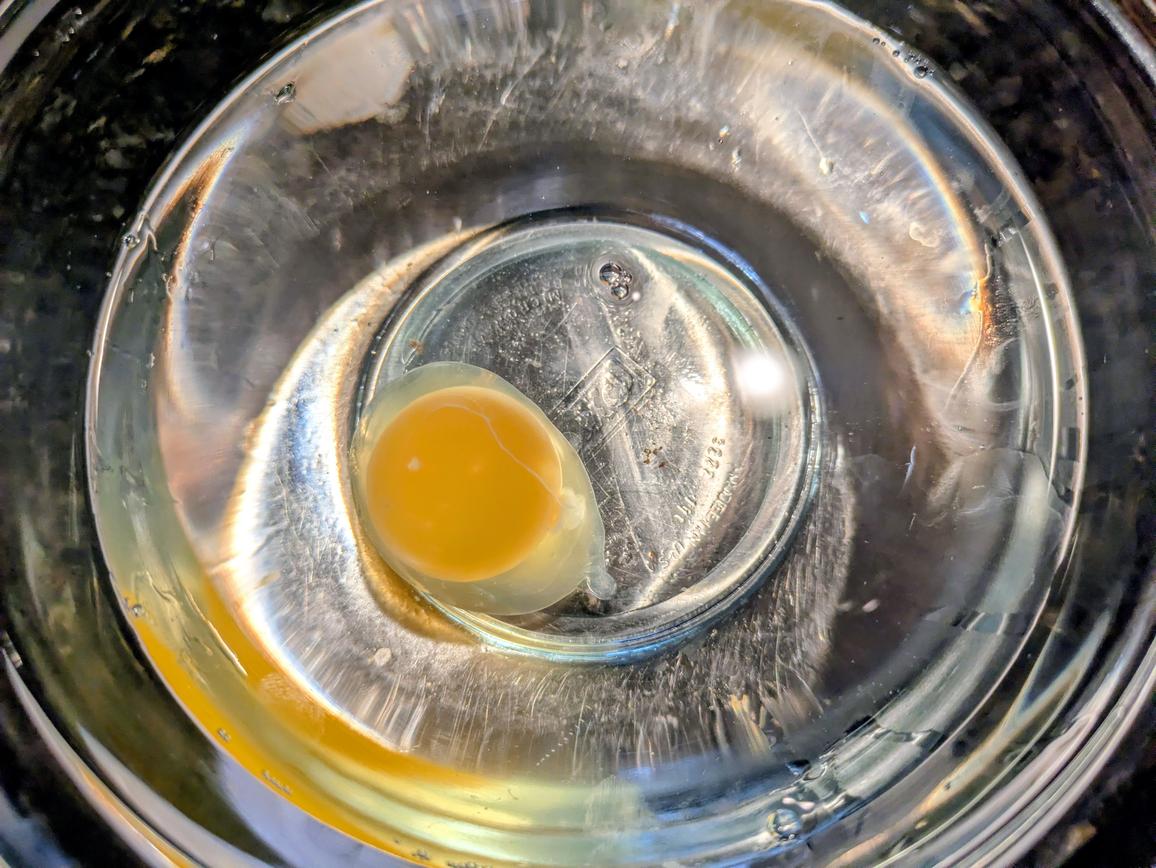
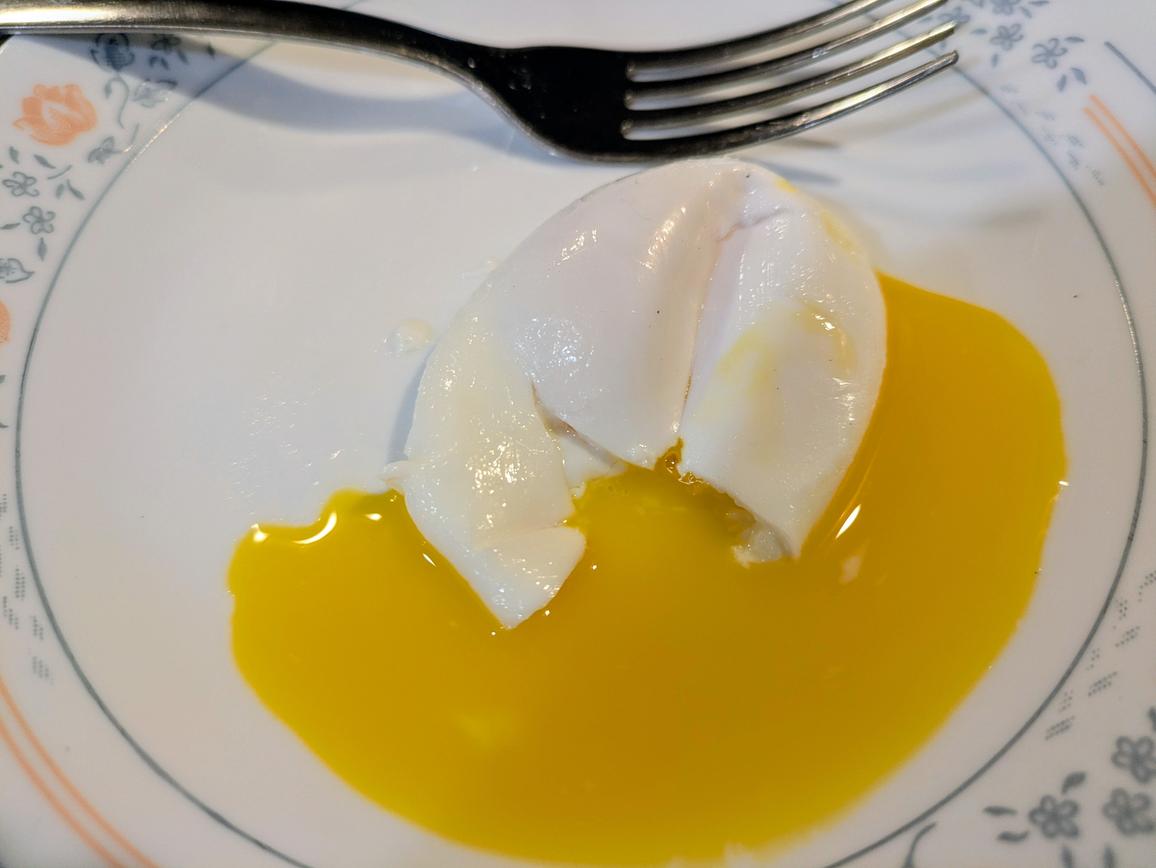
The acid from the vinegar is denaturing the proteins, causing the egg to coagulate, lightly curing the egg. This should take about 5 minutes. The white and yolk will become cloudy and become opaque on the edges.
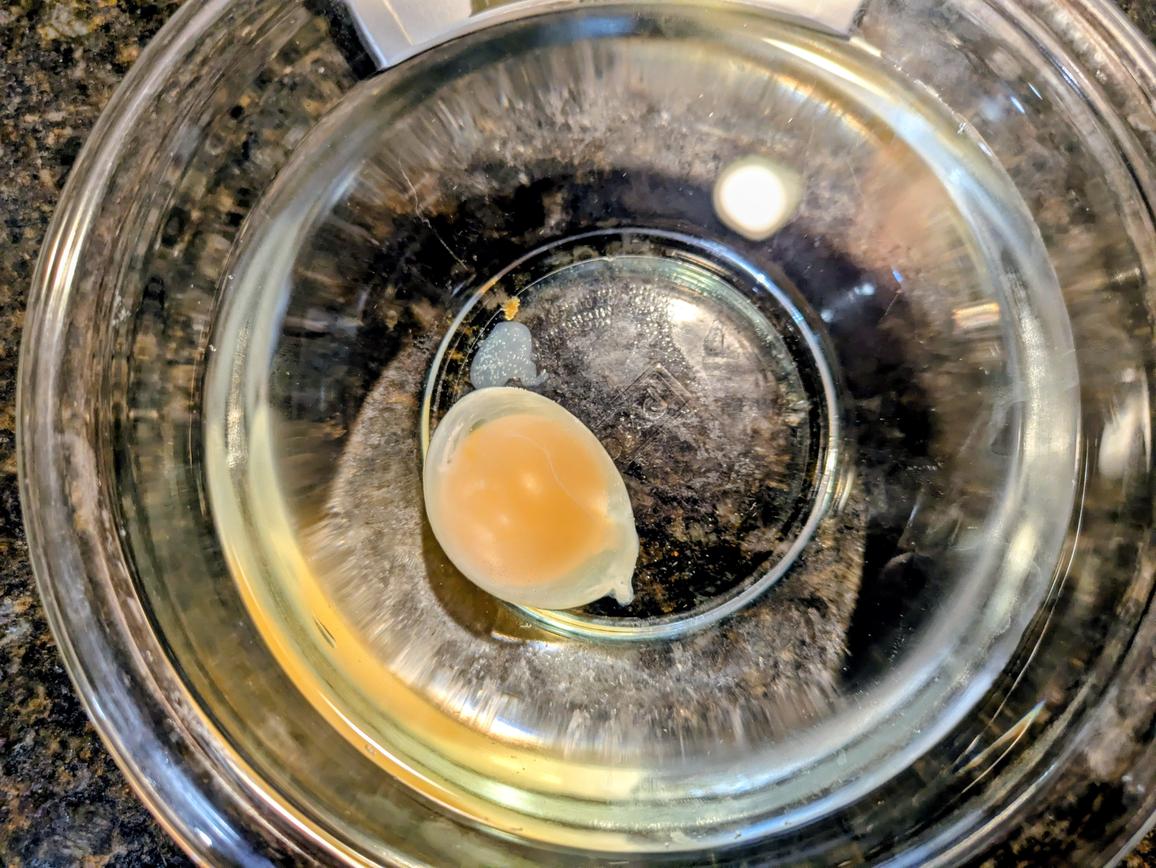
Meanwhile, bring water to a boil in a small pot. When boiling, remove the pot from the heat. Use a spider to carefully transfer the egg from the soaking liquid to the pot. Let the egg poach for 3 minutes (without stirring, uncovered).
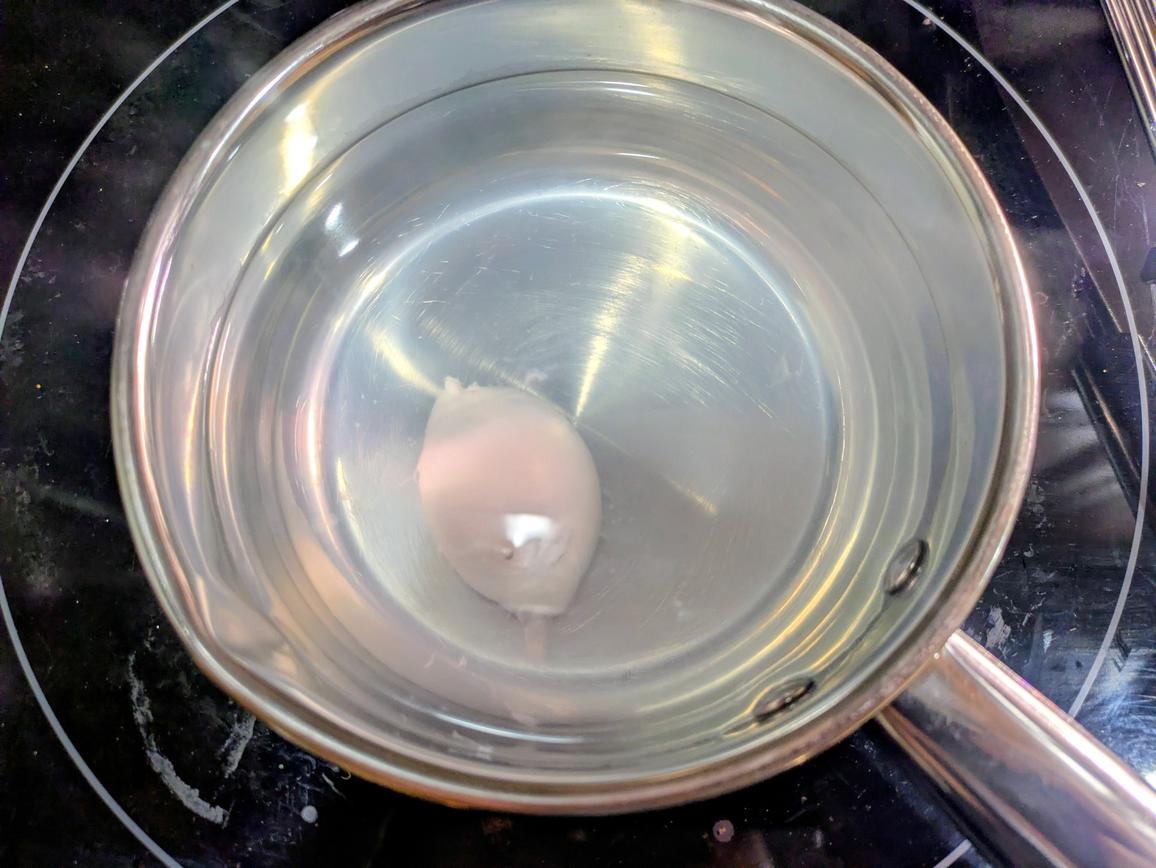
Remove the egg from the pot to a paper towel. Let rest for 3 minutes, then pat dry.
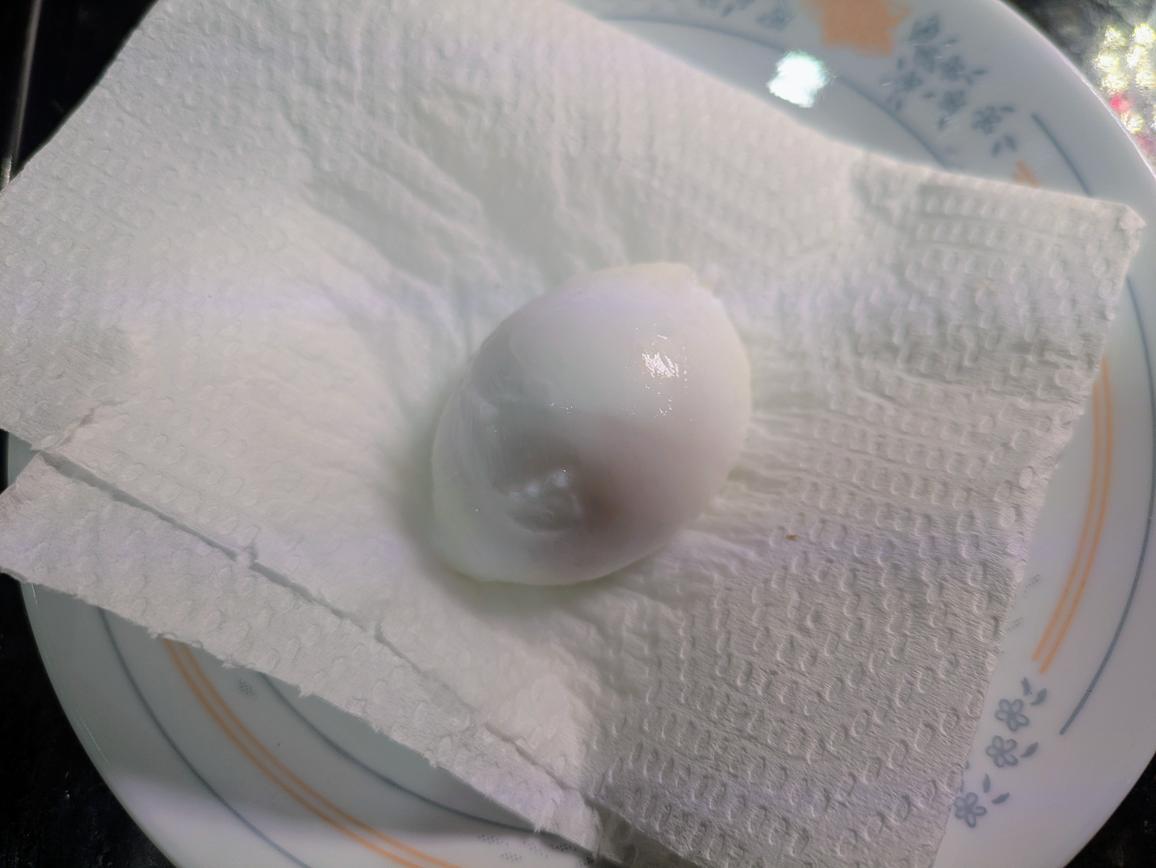
Remove from the paper towel onto a serving plate, and season with salt and black pepper.
Shakshuka
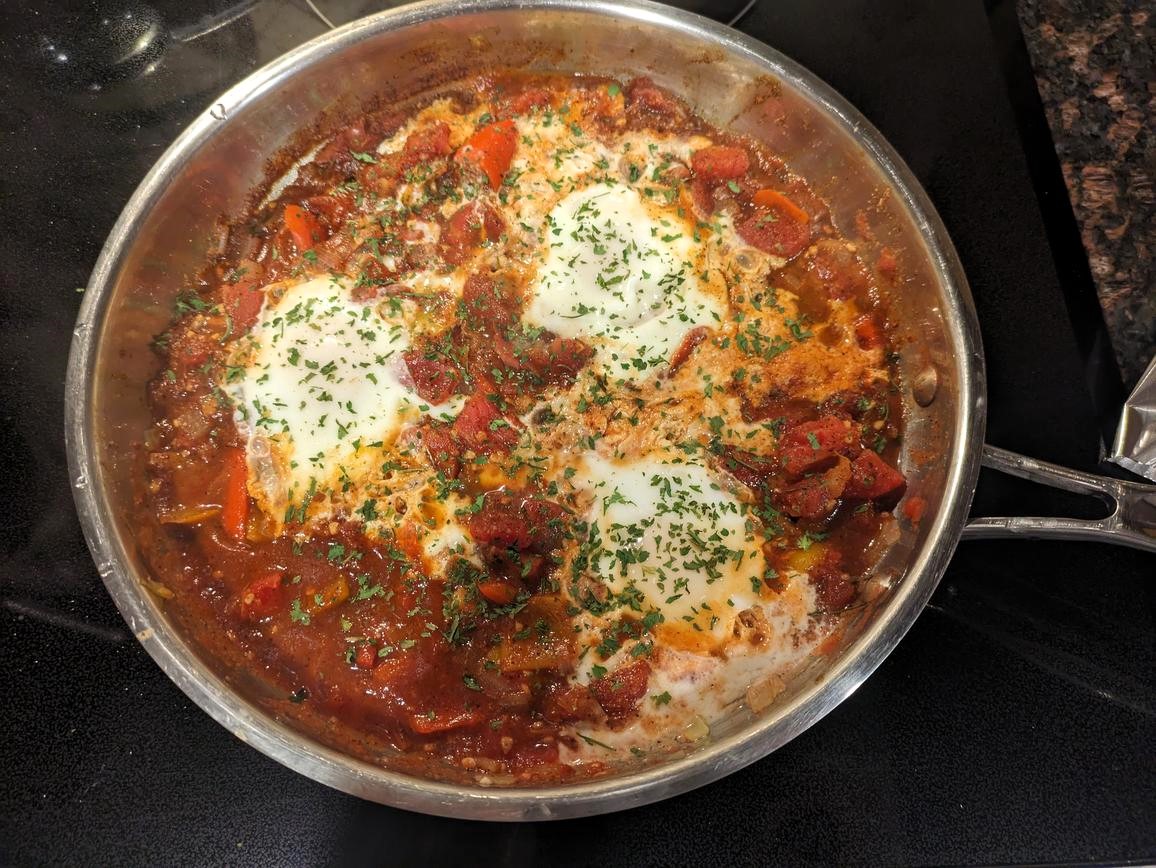
Shakshuka is almost a type of veggie overload form of eggs, except this one is an actual dish. Shakshuka is a popular North African / Middle Eastern one pan egg dish that can be served for either breakfast or dinner. It's a great way to use up and veggies, and goes great with a side of bread for dipping and scooping.
I have a specific recipe for shakshuka; check out my Tomato and Egg Shakshuka, but here's the quick rundown. Sautee some a pepper and an onion in a medium stainless steel pan until softened over medium heat. Add in a can of diced tomatoes, along with whatever spices you like. Cover, and simmer for about 5 minutes. Carve out 3 wells for the eggs, and crack them into each hole. Cover with a lid, and cook for about 2-3 minutes, or until the whites are set and the yolks are cloudy but still soft.
Soft Scrambled
A soft scrambled, or French scrambled egg, is typically how I make eggs if I'm eating them plain, without any mixed in veggies. As opposed to a hard (American) scrambled egg, a soft scrabled eggs is cooked over low heat with near constant stirring. The result is a creamy barely cooked egg that more closely resembles a spread than what you'd think of as scrambled eggs.
Preheat a medium non-stick pan over medium-low heat with a spray of oil. Crack your eggs into a bowl, and whisk until smooth with a small pinch of salt. Optionally, strain the eggs through a fine mesh strainer. Add the eggs to the pan, and stir near-constantly with chopsticks to break up the curds, until the eggs just begin to set. If it looks like they're cooking too fast and you're seeing visible curds, briefly remove from heat and stir before adding back onto the burner. It's done when it looks like a thick, pourable egg slop, about 10 minutes.

Soy Marinated Egg
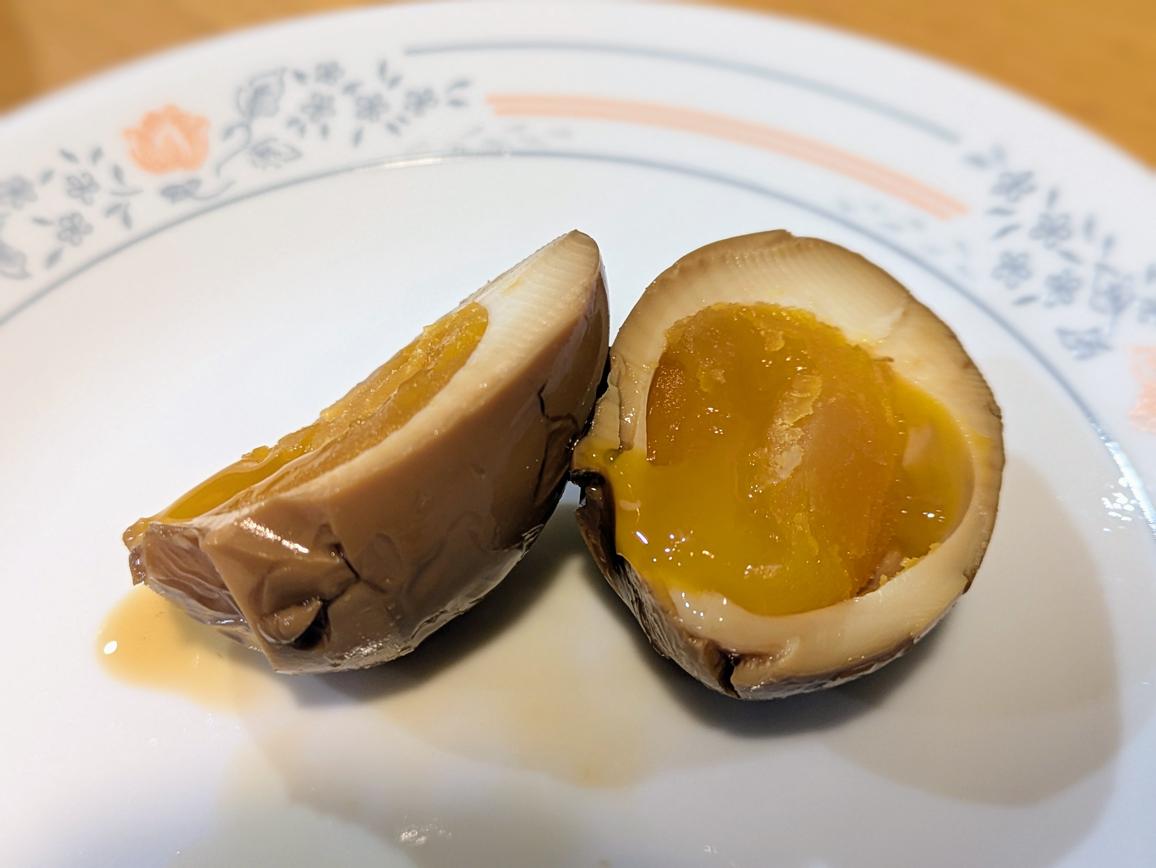
A soy marinated egg, or ramen egg, is a medium boiled egg that's marinated in soy sauce and other ingredients overnight. The result is an egg white exterior that's brower than even the shell of a brown egg. The marinate seasons the interior of the egg, making it perfectly salt, umami-y, and tangy. These are typically served with ramen, but also can be eaten on their own. For another maninated egg, check out the pickled egg.
Start with a medium boiled egg. Add to an airtight container with 1 cup (240 g) soy sauce, 1/2 cup (120 g) rice vinegar, and 1/2 cup (120 g) water, or as much as you need to fully submerge the eggs. Cover and refrigerate overnight. Use the leftover marinade in any cooking you desire, such as a marinade for chicken or for cooking rice.
Sunny Side Up
The sunny side up egg is similar to an over easy except that a sunny side is not flipped. A sunny side up egg is essentially just a fried egg with a runnier yolk that's cooked with a lid.
Preheat a medium non-stick pan over medium heat with a small spray of oil. You need the pan to be hot and shimmering. Crack in your egg, cover with a lid, and let it sit undisturbed for about 2-3 minutes, or until you can see that the edges are lightly browned and the whites are set. Season the top with salt and black pepper.

Veggie Overload
Finally, we'll end with the way I typically make eggs. I'm making this one up, and I'll call it the "Veggie Overload". The name of the game is to meal prep "scrambled eggs" by sauteeing a bunch of vegetetables together with a lot of spices, and beat in some whole eggs and liquid egg whites. I'll then store them in plastic containers and microwave them for breakfast over the next few days.
Basically, just sautee a ton of vegetables (I usually go with spinach and onions) until fully cooked. Add in the eggs, and beat everything together with a wooden spoon. Cook with occassional stirring until the eggs are no longer liquidy, about 10 minutes. For specifc recipes, check out the following: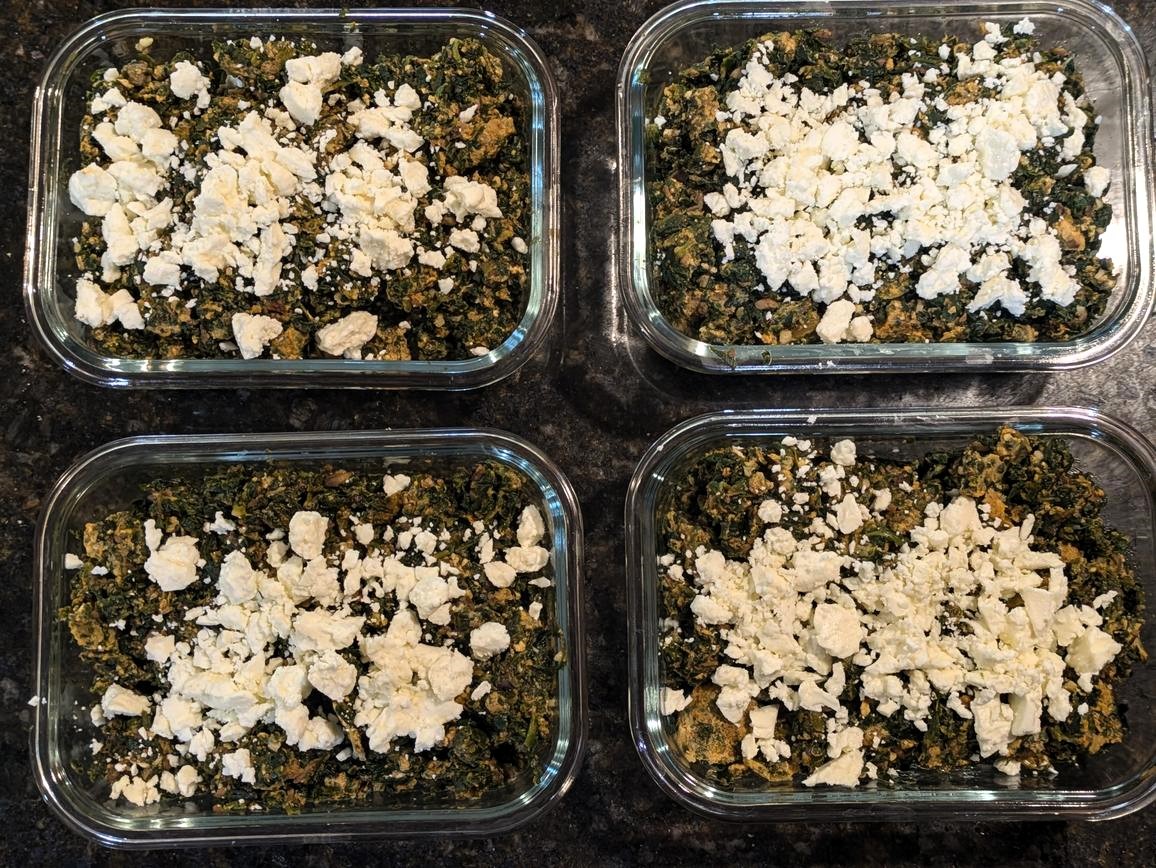
Sources
Ah, the humble egg. Everyone knows eggs. But how many different ways are there to prepare this simple food?
Of course, there's the classics: scrambled, omelette, sunny side up, etc. But what are all the ways I can think of for making eggs, and how can you do it?
For most of these methods, I will be using a medium non-stick pan, and a small spray of oil. I will also be pre-salting the eggs with a pinch of salt prior to cooking, with black pepper for seasoning at the end unless otherwise specified.
Table of Contents
- American Omelette
- Cloud Egg
- French Omelette
- Fried Egg
- Frittata
- Hard Boiled Egg
- Hard Scrambled
- Over Easy
- Pickled Egg
- Poached Egg
- Shakshuka
- Soft Scrambled
- Soy Marinated Egg
- Sunny Side Up
- Veggie Overload
American Omelette
We're starting with your classic diner omelette. The half moon of eggs filled with cheese, meat, or veggies. It's very similar to the hard scramble, except that you want 1 difinitive shape instead of multiple large curds. A French omelette is very different from an American omelette, as the former is creamier, cooked over low heat, and a trifold. An American omelette on the other hand is hard, fully set, and a bifold.
Preheat a medium pan over medium high heat with a spray of oil. Beat your eggs in a bowl with a pinch of salt and optional splash of milk. Add the eggs to the hot pan, and cook with occasional stirring until they're mostly set, about 2-3 minutes. Pat them down into an even and circular layer, cover with a lid, and let them sit until they're fully cooked through, about another 1-2 minutes. Fill the inside with anything you like, and fold in half. Season with black pepper, and serve.
Cloud Egg
This one is a weird one. A cloud egg basically only exists for aesthetics, but it's a fun one to make. It's got a fluffy exterior from the beaten egg whites, similar to my Low Carb Cloud Bread and Cloud Bread Loaf.
Separate the white from the yolk, and beat the whites with a hand mixer with a small pinch of salt until you have stiff peaks, about 3-5 minutes.
Arrange the egg whites into little mounds on a parchment lined baking sheet. Carve out a small divot for the yolk.
Bake in a preheated 400F oven for about 5 minutes, or until the whites just start to brown. Add the raw egg yolk into the hole.
Bake for an additional 3 minutes, or until the yolk just begins to set.
French Omelette
While the American omelette is an omelette version of the hard scramble, the French omelette is an omelette version of the soft scramble. An American omelette is very different from a French omelette, as the latter is creamier, cooked over low heat, and a trifold. An American omelette on the other hand is hard, fully set, and a bifold. The French omelette is also possibly the hardest egg to master.
Preheat a medium non-stick pan over medium-low heat with a spray of oil. Crack your eggs into a bowl, and whisk until smooth with a small pinch of salt. Optionally, strain the eggs through a fine mesh strainer. Add the eggs to the pan, and stir near-constantly with chopsticks to break up the curds. If it looks like they're cooking too fast and you're seeing visible curds, briefly remove from heat and stir before adding back onto the burner.
When the eggs are about 90% set (still a bit undercooked compared to a soft scramble), use your spatula to genly roll one end towards the center, and repeat with the other side to get a trifold-type long egg cylinder. The outside should be just barely set, and the inside should be a little gooey and custardy.
Fried Egg
Here's the humble fried egg. Nothing fancy, the fried egg is the most likely egg you'll encounter at a brunch other than the hard scramble or American omelette.
While over easy and sunny side up are types of fried eggs, a fried egg is typically a more general term for an egg that has a lightly browned whites and a midly runny yolk.
Compared to over easy and sunny side up, which are cooked with a lid, a fried egg is not. Therefore, it's doesn't use any steam to cook the tops of the whites or yolk, which also leads to a crispy bottom. A fried egg, like sunny side up, is not flipped, unlike over easy.
Preheat a medium non-stick pan over medium heat with a small spray of oil. You need the pan to be hot and shimmering. Crack in your egg, and optionally break the yolk slightly with a fork. Let the egg sit undisturbed for about 2-3 minutes, or until the whites are browned and crispy, and the yolk is just barely set. Season the top with salt and black pepper.
Frittata
Frittata is almost a type of veggie overload form of eggs, except this one is an actual dish. It's essentially just a quiche without a crust that's cooked in a cast iron pan. This is because it uses a mixture of stovetop to cook the vegetables and the oven to cook the eggs. It's a great way to use up any raw or cooked vegetables you have laying around, and is good for meal prep or for serving to others for a breakfast or brunch.
I have a specific recipe for frittata; check out my Spinach and Onion Frittata, but here's the quick rundown. Sautee a 2 lb (908 g) bag of frozen spinach and with 2 onions in a 10" cast iron pan over medium high heat, until the water has cooked off the spinach and the onions are translucent. Into a medium bowl, crack 6 eggs, and whisk until smooth with 1 cup (226 g) whipped cottage cheese.
Add the egg mixture to the pan, along with whatever spices you want, and gently mix until fully combined. Transfer the pan to a preheated 375F oven, and bake for about 30 minutes (uncovered), or until the center is set, the edges are golden, and the internal temperature is at least 160F. Let cool for 15 minutes before slicing.
Hard Boiled Egg
Hard boiled eggs are surprisingly one of my favorite ways to enjoy eggs for how easy they are to make. Typically, you would boil eggs in a pot of water before transferring them to an ice bath. However, I prefer to use my air fryer actually since it's easier and doesn't use any dishes.
Hard boiled eggs are surprisingly versatile. They can be a quick snack, or chopped up and mixed into a salad. You can also shorten the cooking times to end up with either a soft or medium boiled egg as well.
For the stovetop method, place your eggs in a medium pot. Pour water on top to cover the eggs by about 1 inch. Bring the water to a boil over high heat, and let boil for 2 minutes. Reduce the heat to medium to hold a simmer, and let the eggs simmer for the following times:
- Soft boiled: 4-5 minutes
- Medium boiled: 7-9 minutes
- Hard boiled: 11-12 minutes
- Soft "boiled": 9-10 minutes
- Medium "boiled": 11-12 minutes
- Hard "boiled": 14-15 minutes
Hard Scrambled
Here's your classic scrambled egg. A hard (or American) scrambled egg is kinda the opposite of a soft (or French) scrambled egg. The hard scramble is cooked over higher heat with less stirring in order to for larger, drier, and fluffier egg curds. It's very similar to the hard scramble except that you mix the cooked egg instead of trying to keep it uniform. For most people, this is what they think of when they think of eggs, but I've personally never been a fan.
Preheat a medium pan over medium high heat with a spray of oil. Beat your eggs in a bowl with a pinch of salt and optional splash of milk. Add the eggs to the hot pan, and cook with occasional stirring until you have big, soft curds, about 3-4 minutes. Season with black pepper, and serve.
Over Easy
Next up, we have the over easy egg. It's similar to a sunny side up except that an over easy is flipped. An over easy egg is a type of fried egg that's flipped.
Preheat a medium non-stick pan over medium heat with a small spray of oil. You need the pan to be hot and shimmering. Crack in your egg, cover with a lid, and let it sit undisturbed for about 1-2 minutes, or until the whites are just barely set. Flip with a spatula, and cook the other side (covered) for an additional minute. Season the top with salt and black pepper.
To make an over medium or over hard egg, cook each side for an additional 30 seconds to 1 minute, respectively. An over easy egg should have an entirely runny yolk and barely browned whites. An over medium would have lightly browned whites and a slightly runny, slightly set egg yolk.
For an over hard, the yolk will be almost entirely set with browned whites. I ended up more more of an over hard here, with a set yolk that isn't runny.
Pickled Egg
I hope you don't want a pickled egg now, because these take about a week to make. A pickled egg starts with a hard boiled egg that you let pickle in a brine of leftover pickle juice to absorb it's salty and tangy flavor. They can be a great topping to any bowl or salad, or even just eaten on their own. For another maninated egg, check out the soy marinated egg.
Start with a hard boiled egg. Add to an airtight bag with 1 cup (240 g) of any pickling liquid, such as the leftover liquid from a jar of pickles. If you use pickled beets, then your egg will come out all cool and pink.
Also add in 1 tbsp (15 g) of any vinegar (I'll use apple cider vinegar) and any spices you desire. Here I'm going with 2 tbsp (30 g) of minced garlic and 1 tbsp (3 g) dried dill. Let pickle in the fridge for at least 2-3 days, and up to 2-3 weeks. Use the leftover liquid in any cooking you desire, such as a marinade chicken or for cooking rice.
Poached Egg
A poached egg is the classic for Egg's Benedict, served with an English Muffin and hollandaise sauce. It's probably the most time and resource intensive egg cooking method on this list, and it's very easy to get it wrong. Here's a trick I learned for a cleaner poached egg: using vinegar.
In a medium bowl, mix together equal parts of water and white vinegar (about 1 cup, 240 g each). Crack your egg into a fine mesh strainer over a small bowl. Swirl the strainer to remove all the liquidy egg whites, and transfer your egg into the water/vinegar bowl.
The acid from the vinegar is denaturing the proteins, causing the egg to coagulate, lightly curing the egg. This should take about 5 minutes. The white and yolk will become cloudy and become opaque on the edges.
Meanwhile, bring water to a boil in a small pot. When boiling, remove the pot from the heat. Use a spider to carefully transfer the egg from the soaking liquid to the pot. Let the egg poach for 3 minutes (without stirring, uncovered).
Remove the egg from the pot to a paper towel. Let rest for 3 minutes, then pat dry.
Remove from the paper towel onto a serving plate, and season with salt and black pepper.
Shakshuka
Shakshuka is almost a type of veggie overload form of eggs, except this one is an actual dish. Shakshuka is a popular North African / Middle Eastern one pan egg dish that can be served for either breakfast or dinner. It's a great way to use up and veggies, and goes great with a side of bread for dipping and scooping.
I have a specific recipe for shakshuka; check out my Tomato and Egg Shakshuka, but here's the quick rundown. Sautee some a pepper and an onion in a medium stainless steel pan until softened over medium heat. Add in a can of diced tomatoes, along with whatever spices you like. Cover, and simmer for about 5 minutes. Carve out 3 wells for the eggs, and crack them into each hole. Cover with a lid, and cook for about 2-3 minutes, or until the whites are set and the yolks are cloudy but still soft.
Soft Scrambled
A soft scrambled, or French scrambled egg, is typically how I make eggs if I'm eating them plain, without any mixed in veggies. As opposed to a hard (American) scrambled egg, a soft scrabled eggs is cooked over low heat with near constant stirring. The result is a creamy barely cooked egg that more closely resembles a spread than what you'd think of as scrambled eggs.
Preheat a medium non-stick pan over medium-low heat with a spray of oil. Crack your eggs into a bowl, and whisk until smooth with a small pinch of salt. Optionally, strain the eggs through a fine mesh strainer. Add the eggs to the pan, and stir near-constantly with chopsticks to break up the curds, until the eggs just begin to set. If it looks like they're cooking too fast and you're seeing visible curds, briefly remove from heat and stir before adding back onto the burner. It's done when it looks like a thick, pourable egg slop, about 10 minutes.
Soy Marinated Egg
A soy marinated egg, or ramen egg, is a medium boiled egg that's marinated in soy sauce and other ingredients overnight. The result is an egg white exterior that's brower than even the shell of a brown egg. The marinate seasons the interior of the egg, making it perfectly salt, umami-y, and tangy. These are typically served with ramen, but also can be eaten on their own. For another maninated egg, check out the pickled egg.
Start with a medium boiled egg. Add to an airtight container with 1 cup (240 g) soy sauce, 1/2 cup (120 g) rice vinegar, and 1/2 cup (120 g) water, or as much as you need to fully submerge the eggs. Cover and refrigerate overnight. Use the leftover marinade in any cooking you desire, such as a marinade for chicken or for cooking rice.
Sunny Side Up
The sunny side up egg is similar to an over easy except that a sunny side is not flipped. A sunny side up egg is essentially just a fried egg with a runnier yolk that's cooked with a lid.
Preheat a medium non-stick pan over medium heat with a small spray of oil. You need the pan to be hot and shimmering. Crack in your egg, cover with a lid, and let it sit undisturbed for about 2-3 minutes, or until you can see that the edges are lightly browned and the whites are set. Season the top with salt and black pepper.
Veggie Overload
Finally, we'll end with the way I typically make eggs. I'm making this one up, and I'll call it the "Veggie Overload". The name of the game is to meal prep "scrambled eggs" by sauteeing a bunch of vegetetables together with a lot of spices, and beat in some whole eggs and liquid egg whites. I'll then store them in plastic containers and microwave them for breakfast over the next few days.
Basically, just sautee a ton of vegetables (I usually go with spinach and onions) until fully cooked. Add in the eggs, and beat everything together with a wooden spoon. Cook with occassional stirring until the eggs are no longer liquidy, about 10 minutes. For specifc recipes, check out the following:
- Spinach & Mushroom Scrambled Eggs
- Higher Protein Scrambled Eggs
- Green Eggs & Ham (Kinda)
- A Complete Vegetarian Meal
Sources
This post may contain affiliate links